
Decluttered listing photos make rooms look larger, cleaner, and more neutral — and that directly translates to more clicks, more showings, and fewer days on market. Professionally edited and decluttered listings sell faster than cluttered ones, with research showing an average reduction of 34 days on market compared to cluttered listings. Before your next shoot, do three things: depersonalize every room, clear all visible surfaces, and prioritize the kitchen and bathrooms first. Those two rooms drive buyer decisions faster than any other space in the home. Proofe's AI enhancement tools can handle what you miss physically, but the physical prep always comes first.
Quick BLUF actions:
- Depersonalize: Remove family photos, mail, and personal documents from every room
- Clear surfaces: Counters, nightstands, coffee tables, and bathroom vanities should be nearly empty
- Prioritize kitchen and bathrooms: Buyers form opinions about these rooms in seconds
Table of Contents
- Why decluttering improves listing photos — and buyer behavior
- Your room-by-room pre-shoot decluttering checklist
- How a decluttered room changes what the camera actually captures
- Virtual decluttering in editing: what it is and where the line is
- Staging versus decluttering: which one does your listing need?
- Before-and-after impact: what to measure after decluttering
- A simple DIY phone-shoot workflow after you've decluttered
- Key Takeaways
- The part most agents get wrong about decluttering
- Get MLS-ready photos faster with Proofe
- Useful sources and further reading
Why decluttering improves listing photos — and buyer behavior
Clean photos reduce cognitive load. When a buyer scrolls through listings, their brain processes each image in under three seconds. A cluttered room forces the eye to jump between objects, making the space feel smaller and harder to imagine living in. A clear room lets the camera capture lines, light, and proportion — the things that actually sell a home.
UCLA-linked research found that people who describe their homes as cluttered show dysregulated cortisol patterns, a physiological marker of chronic stress. Buyers viewing cluttered listing photos experience a version of that same stress response — even briefly. That emotional friction reduces click-through and emotional buy-in before they ever schedule a showing.
"Clutter has a sneaky way of crowding not just your space but your mind." Princeton University researchers confirmed that a disordered environment negatively impacts both task completion and overall mental health — a finding that applies directly to how buyers perceive listing images online.
Organizing research covered by National Geographic ties clutter to elevated anxiety and reduced productivity, reinforcing why a clean image creates a more positive, confident buyer response. Perceived spaciousness also improves when distractions are removed: the camera captures more wall, more floor, and more natural light — all of which signal a larger, better-maintained home.
What to expect after decluttering: Photos read brighter and more open. Rooms appear noticeably larger and more open in framing. Buyers spend more time on the listing page and are more likely to request a showing.
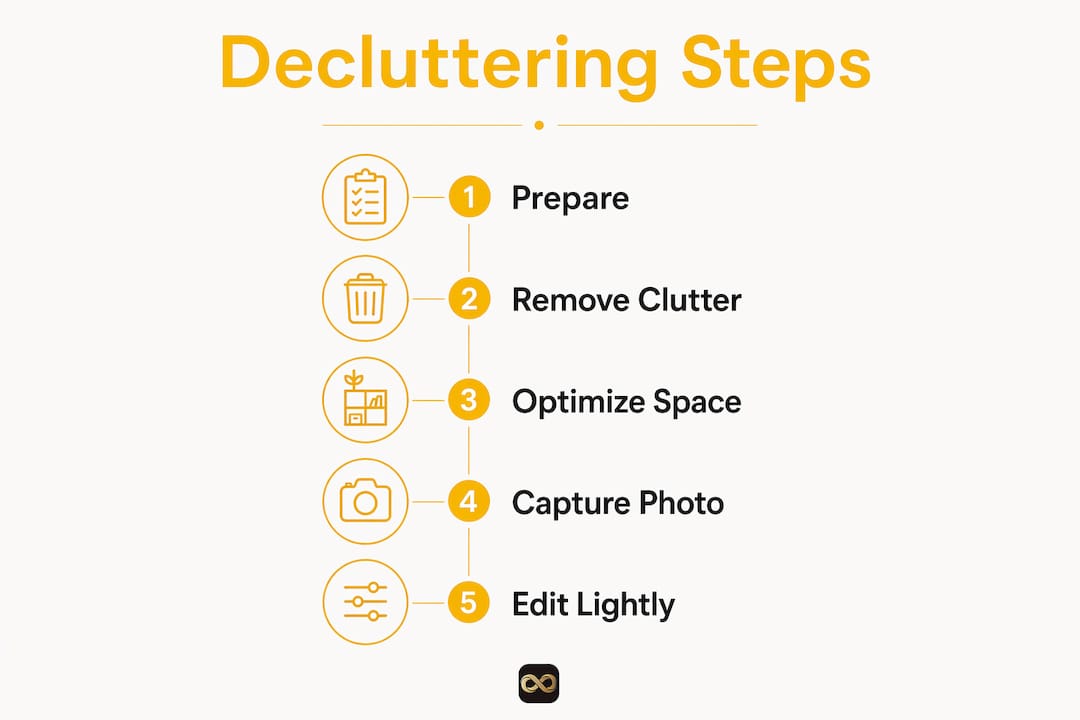
Your room-by-room pre-shoot decluttering checklist
Use this as a day-before to same-day workflow. Follow the steps in order, room by room, and you'll be ready when the photographer arrives.
Day before the shoot:
- Kitchen: Clear all countertops completely. Store the toaster, coffee maker, dish rack, and any small appliances. Leave one or two intentional items maximum (a bowl of fruit, a clean cutting board). Wipe down all surfaces.
- Living room: Remove remote controls, magazines, throw blankets piled on furniture, and pet items. Straighten cushions. Hide cords behind furniture or use cable clips.
- Bedrooms: Make all beds with neutral, wrinkle-free bedding. Remove personal photos from nightstands and dressers. Clear the tops of dressers entirely.
- Bathrooms: Clear vanities of all personal care products, razors, and toothbrushes. Store them in a cabinet or box. Put out one clean, folded towel per bar.
- Entry and hallways: Remove shoes, coats, and bags from visible hooks or floors. If there's a console table, leave it clear or with one small plant.
- Exterior and curb appeal: Move cars out of the driveway. Put away hoses, trash cans, and garden tools. Sweep the front walkway.
- Storage and garage: Close all doors. If a garage or storage area will be photographed, clear at least the front third of the space.
Same-day, 30 minutes before the shoot:
- Apply the 3-second rule: Walk into each room and remove anything your eye lands on in the first three seconds that doesn't belong.
- Depersonalize: Hide family photos, visible mail, children's artwork on the fridge, and any religious or political items.
- Stash a laundry basket: Use it to collect last-minute items and move it to a closet or car.
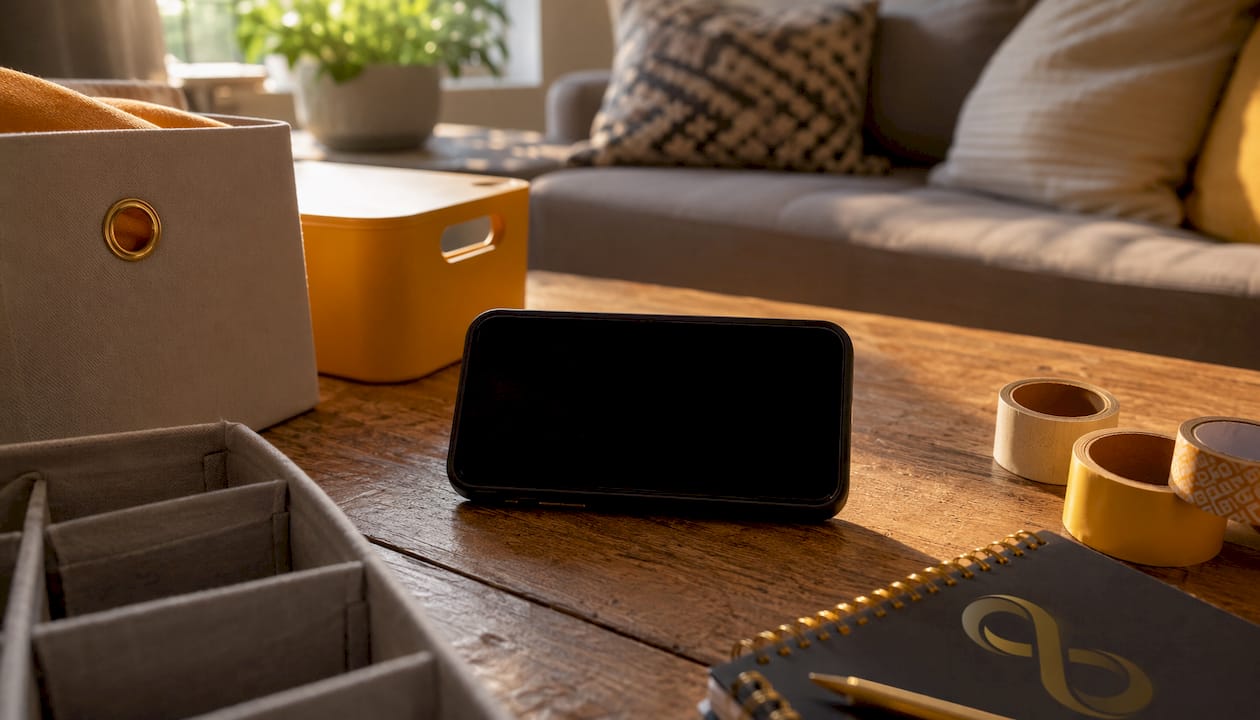
Supplies to have ready: cardboard boxes, wicker baskets, a cordless vacuum, microfiber cloths, temporary adhesive hooks, and sticky labels for boxes.
Pro Tip: For tenant-occupied homes or Airbnb rentals, send a one-page prep sheet to occupants 48 hours before the shoot. List exactly what to clear in each room. This saves you time on arrival and avoids awkward conversations. Proofe's photo-ready home preparation guide includes a printable version you can hand directly to sellers or tenants.
How a decluttered room changes what the camera actually captures
Removing distractions clarifies composition. When a room is clear, the camera's wide-angle lens can do its job: capturing the full depth of the space without objects breaking the sight lines or pulling the eye to the wrong place.
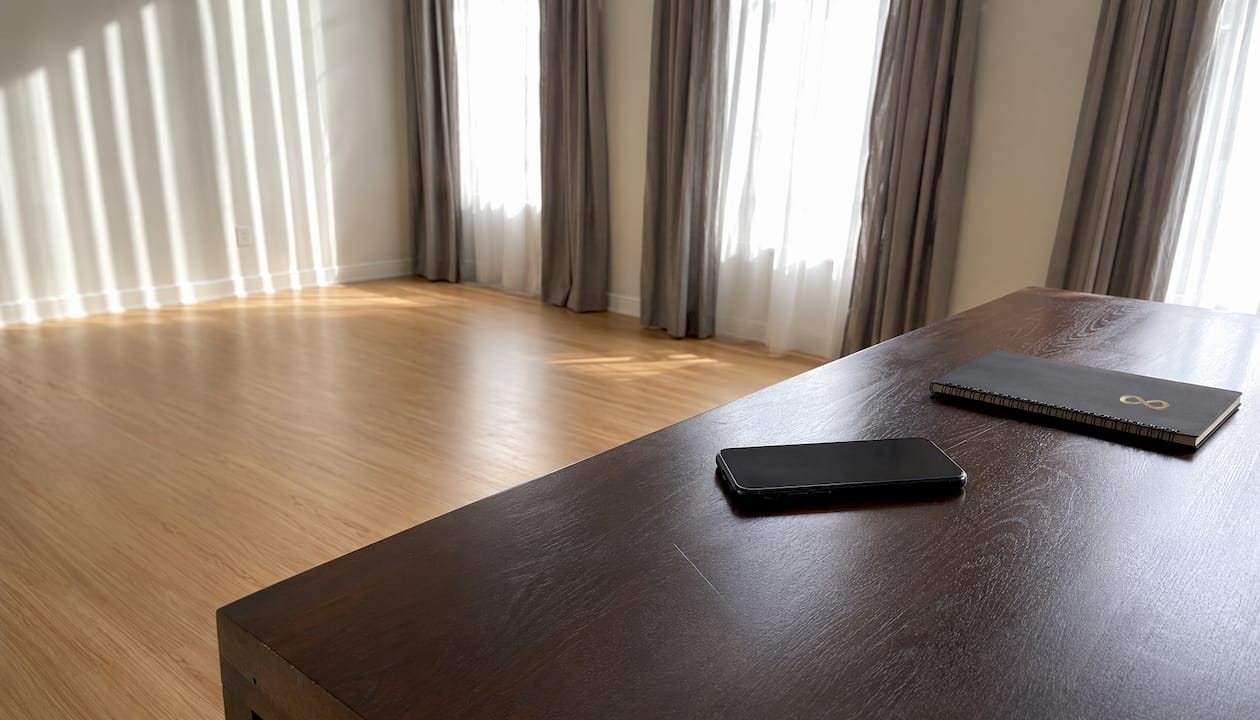
Negative space matters more than most sellers realize. An empty counter or bare wall gives the eye somewhere to rest, which makes the room feel calm and spacious on screen. Cluttered foregrounds compress perceived depth, making even large rooms look cramped in photos. Simplified backgrounds let architectural details — crown molding, window frames, hardwood floors — read clearly.
Lighting also improves. Objects on surfaces cast shadows and absorb light. Remove them, and natural light bounces off walls and floors more evenly, reducing the need for heavy post-processing. A brighter, more evenly lit room looks more expensive and better maintained.
Practical framing benefits after decluttering:
- Wide-angle shots work better because there's nothing awkward in the corners
- Foreground-to-background depth reads clearly, making rooms feel larger
- Symmetry in bedrooms and living rooms becomes achievable without cropping
Pro Tip: Watch for reflections. Mirrors, glass cabinet doors, and shiny appliances can reflect clutter that's just out of frame. Before each shot, check the camera screen for anything showing up in reflective surfaces — and move it.
Virtual decluttering in editing: what it is and where the line is
Virtual decluttering means removing specific objects from a photo in post-processing, not adding furniture or changing the room's layout. It's different from virtual staging, which adds aspirational elements to empty spaces. The distinction matters: removal preserves the authentic layout; staging creates a lifestyle impression.
When virtual decluttering makes sense:
- Occupied homes where sellers can't remove everything before the shoot
- Tenant-occupied properties where access is limited
- Tight timelines that don't allow full physical prep
- Budget constraints that rule out professional staging
What's appropriate to remove:
- Small personal items: toiletries, mail, pet bowls, children's toys
- Temporary objects: trash cans, cleaning supplies, extension cords
- Distracting decor that doesn't represent the property's condition
What to leave intact:
- Structural features: built-in shelving, appliances, permanent fixtures
- Furniture that accurately represents room size and layout
- Anything that, if removed, would misrepresent the space to a buyer
Proofe's object removal service handles targeted removal cleanly, and the 8-step editing guide walks through the full workflow for keeping edits honest and MLS-compliant.
Ethics note: MLS rules in most U.S. markets require that listing photos accurately represent the property. Removing a trash can is fine. Removing a structural wall, a water stain, or a missing appliance is not. When in doubt, disclose substantial edits in the listing notes.
Pro Tip: Use virtual decluttering as a safety net, not a substitute for physical prep. Photos that required heavy object removal often look slightly flat or inconsistent. Physical decluttering first, then targeted digital cleanup, produces the cleanest results.
Staging versus decluttering: which one does your listing need?
Decluttering removes distractions and neutralizes a space. Staging adds aspirational context — furniture arrangements, accent pieces, and lifestyle cues that help buyers picture themselves living there. They solve different problems, and the best listings often use both.
When decluttering alone is enough:
- Occupied homes with good furniture and a functional layout
- Properties where the seller's existing decor is neutral and well-maintained
- Budget-limited listings where staging costs aren't justified by price point
When full staging makes sense:
- Vacant properties where empty rooms feel cold and hard to scale
- Luxury listings where aspirational presentation drives premium offers
- Awkward floor plans that need furniture to define the space
Quick comparison:
| Factor | Decluttering | Full staging |
|---|---|---|
| Cost | Low to none | Moderate to high |
| Time required | Hours | Days |
| Best for | Occupied homes | Vacant or luxury |
| Visual impact | Clean, neutral | Aspirational, lifestyle-driven |
| Honesty in listing | High | Requires disclosure if virtual |
Property condition affects offers directly, and a decluttered home photographs better than a staged-but-cluttered one every time.
Pro Tip: The most effective hybrid workflow: declutter the entire home first, then selectively stage two or three high-impact rooms — the living room, primary bedroom, and kitchen. These are the rooms buyers spend the most time evaluating online. Proofe's virtual staging service can add aspirational touches digitally after you've cleared the physical space.
Before-and-after impact: what to measure after decluttering
You don't have to guess whether decluttering improved your listing's performance. A few simple metrics tell the story clearly.
Key metrics to track:
| Metric | Before decluttering | After decluttering |
|---|---|---|
| Days on market | 123 | 89 |
| Listing page views | Baseline | Typically higher |
| Showing requests | Baseline | Typically higher |
| Offer volume | Baseline | Typically higher |
A 34-day reduction in days on market has been documented for listings using professional decluttering and editing, offering a clear ROI in carrying costs, mortgage payments, and market exposure.
Stat to know: The real estate photo editing services market is projected to reach USD $5.7 billion by 2033, driven largely by demand for cleaner, more engaging listing images.
Running a simple A/B test: Use the same listing copy and price for two comparable properties — one with decluttered photos, one without. Track clicks per day, average time on the listing page, and showing requests over a two-week period. The difference is usually visible within the first week.
What to document for sellers: Screenshot the listing analytics before and after photo updates. Show click-through rate, views, and days active. Sellers who see the data are far more motivated to prep properly for future listings.
A simple DIY phone-shoot workflow after you've decluttered
Once the space is clear, capturing MLS-ready photos from your smartphone is straightforward. The prep work you've already done is the hard part.
Same-day shoot checklist:
- Open all blinds and curtains; turn on all interior lights
- Remove trash cans from every room
- Set neutral, wrinkle-free bedding on all beds
- Clear all counters to your pre-shoot standard
- Hide all visible cords and chargers
Camera tips for phones:
- Enable grid lines to keep verticals straight
- Lock exposure by tapping the brightest area of the room, then adjust
- Shoot from chest height (about 4–5 feet), not eye level
- Take multiple exposures in each room for HDR blending options
- Shoot toward windows when possible to capture natural light depth
After the shoot, do a quick first-pass cull: remove obvious misfires, blurry frames, and test shots before you start editing. A decisive first-pass workflow dramatically reduces the time you spend in post-processing. Proofe's smartphone listing photo guide covers angles and settings in detail, and the agent photo checklist keeps your shoot organized from start to finish.
For Airbnb hosts and short-term rental owners, this same workflow applies every season. Refreshing your listing photos in spring and fall, when light and decor change, keeps your booking rate competitive year-round.
Key Takeaways
Decluttered listing photos consistently outperform cluttered ones across every measurable metric, from days on market to showing volume, making physical prep the highest-ROI step before any shoot.
| Point | Details |
|---|---|
| Decluttering cuts days on market | Professionally edited, decluttered listings sell faster than average for cluttered ones. |
| Kitchen and bathrooms first | Buyers form opinions about these rooms fastest; clear them completely before the shoot. |
| Virtual decluttering has limits | Remove temporary items only; never alter structural features or misrepresent the layout. |
| Measure your results | Track click-through rate, showings, and days on market before and after photo updates. |
| Proofe speeds the workflow | Shoot on your phone, upload to Proofe, and get MLS-ready AI-enhanced photos the same day. |
Seasonal note for Airbnb and short-term rental hosts: Retake your listing photos each season. Updated images that reflect current light, decor, and curb appeal directly improve booking rates, especially during peak rental periods.
The part most agents get wrong about decluttering
There's a version of this advice that gets repeated endlessly: "just clean up before the shoot." That framing undersells what's actually happening. Decluttering for listing photography isn't housekeeping. It's a deliberate act of visual communication.
The sellers who resist it usually have one of two objections. Either they don't think their stuff is that distracting, or they feel like hiding their belongings is somehow dishonest. Neither holds up. Buyers aren't judging the seller's taste — they're trying to see the home. Every personal item in a photo is a barrier between the buyer and that mental image of themselves living there.
The harder truth is about timing. Most agents ask sellers to declutter the day before the shoot, which is too late for a thorough job and too stressful for the seller. The conversation needs to happen at the listing appointment, with a specific checklist in hand. Sellers who have two weeks to work through a room-by-room list do a dramatically better job than those who have 24 hours. And the photos show it.
For inherited or legacy properties, where clutter is often emotional and deeply personal, the same principle applies with more sensitivity. Inherited properties with visible clutter consistently receive lower offers, not because buyers can't see past the items, but because the photos signal deferred maintenance and uncertainty. A clean photo removes that signal entirely.
Get MLS-ready photos faster with Proofe
You've done the physical work. The space is clear, the light is good, and you're ready to shoot. Proofe takes it from there. Shoot your listing photos on any smartphone, upload them, and get AI-enhanced, MLS-ready files back the same day — no expensive camera gear, no waiting on a photographer's schedule.
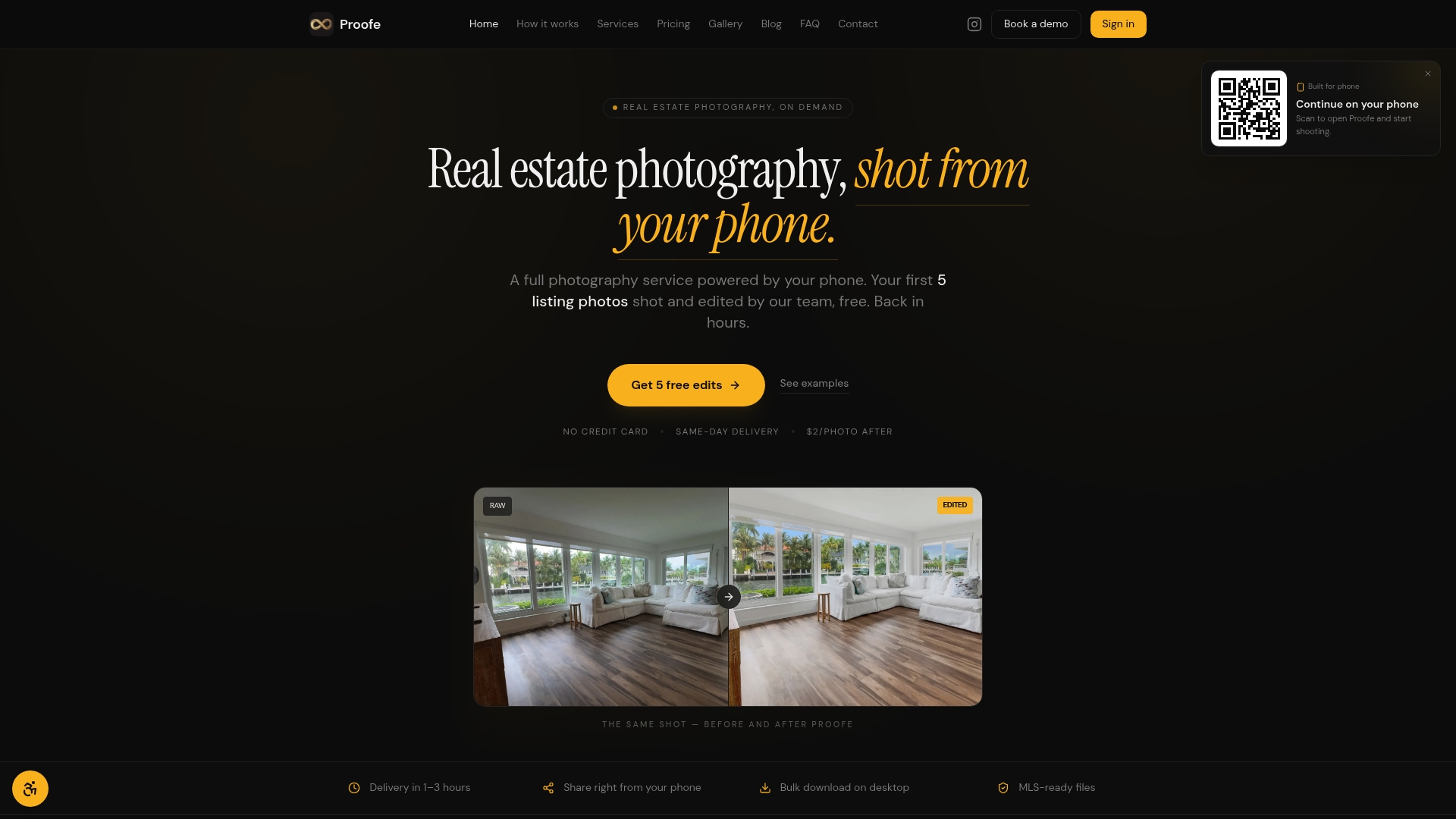
Proofe's editing workflow includes bright-room enhancement, targeted object removal for anything you missed during prep, and consistent color correction across every room. Your first five photos are free, so you can see the difference before you commit. For agents managing multiple listings, or Airbnb hosts refreshing seasonal photos, the time savings add up fast.
Start your first listing today at Proofe and see what a decluttered, AI-enhanced photo set does for your click-through rate.
Useful sources and further reading
Use these resources to go deeper on the research, workflows, and tools referenced in this article.
- Psychology and buyer perception: Clear Space, Clear Mind (Psychology Today) — the UCLA cortisol research and its implications for how buyers respond to cluttered spaces
- Mental health and organizing: National Geographic — Being organized can improve mental health — broader research on clutter, anxiety, and decision-making
- Decluttering and listing metrics: HabileData — Decluttering Property Photos — the 34-day market reduction stat, virtual decluttering ethics, and ROI framing
- Pre-shoot prep checklist: ProductionRealty — How to Prepare Your Home for Professional Listing Photos — room-by-room surface priorities
- Depersonalization guidance: SRM Free — Picture Perfect: How to Prepare Your Home for Professional Photos — practical depersonalization and same-day rules
- Post-shoot photo organization: Savvy Shutterbug — How to Organize Photos Without Overthinking It — culling workflow and folder structure for faster editing
- Proofe pre-shoot guide: Photo-Ready Home Preparation: A Complete 2026 Guide — room-level checklists tailored to current market conditions
- Proofe editing workflow: How to Edit Real Estate Photos: 8-Step Guide — object removal, bright-room edits, and MLS-compliant workflows
- Property condition and offers: HouseGoodbye — How Property Condition Affects Your Home Sale Offer — how visible clutter influences buyer offers