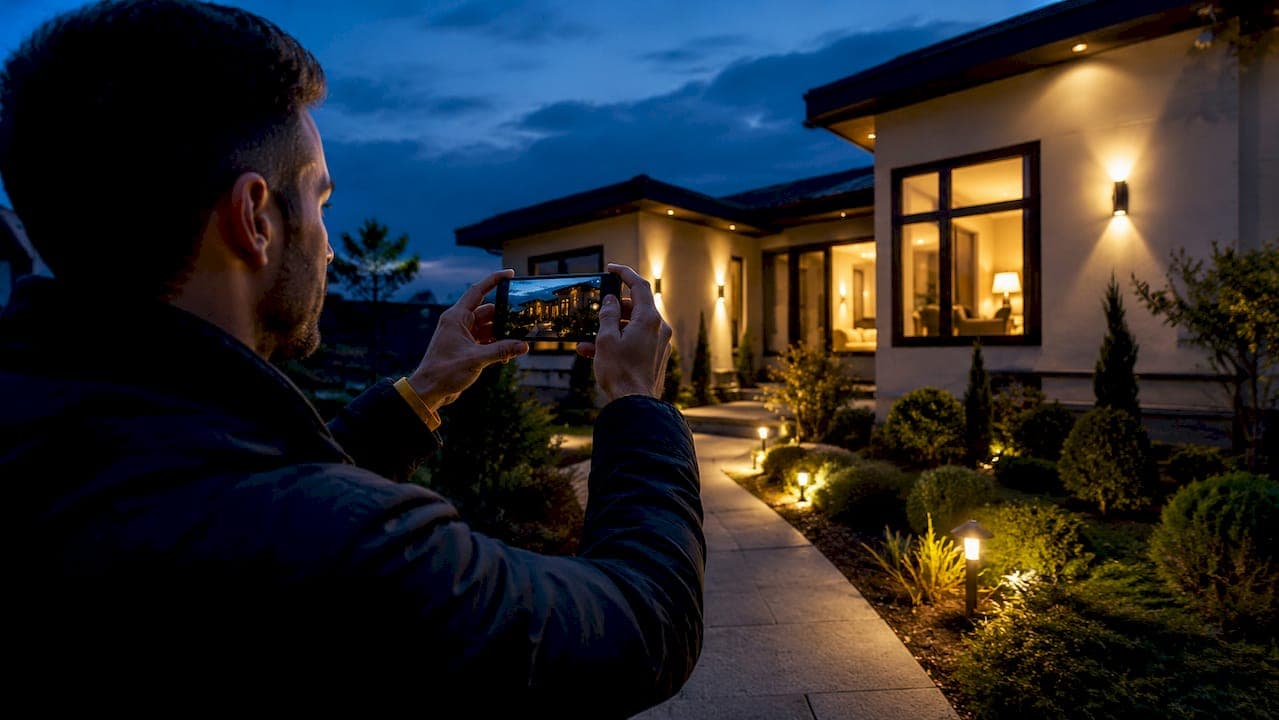
Twilight real estate photography is the practice of shooting a property's exterior during a narrow 20–30 minute window after sunset, capturing warm interior lights against a deep blue sky to create striking listing images. This technique, also called "blue hour photography" in professional circles, produces 76% more online engagement compared to standard daytime photos. That number alone explains why agents marketing luxury homes, architecturally distinctive properties, and even Airbnb rentals are adding twilight shots to their listing packages. Professional twilight shoots typically run $150–$300 per session, making it a targeted investment worth understanding before you book.
What is twilight photography in real estate and why it matters
Twilight real estate photography captures a property during civil twilight, the brief period after the sun drops below the horizon but before the sky turns fully dark. The sky shifts through shades of cobalt and indigo during this window. Interior lights glow amber through windows. The contrast between those two color temperatures creates images that feel both dramatic and welcoming at the same time.
This emotional effect is not accidental. Luxury twilight photography sells a lifestyle by using deep blue skies and warm interiors to move buyers from seeing a house as a commodity to imagining it as their home. That shift in perception is what makes a buyer stop scrolling and click.
Twilight photos serve a specific role in a listing's photo set. Twilight images complement daytime photos rather than replace them. Daytime shots show floor plans, room dimensions, and natural light. The twilight exterior works as the hero image, the scroll-stopper that earns the click before buyers ever see the interior.
Here is how twilight compares to other exterior shooting windows:
| Shooting window | Sky color | Interior light visibility | Emotional tone |
|---|---|---|---|
| Midday daylight | Bright white or blue | Not visible | Neutral, informational |
| Golden hour | Warm orange | Faint | Warm, inviting |
| Twilight / blue hour | Deep blue to indigo | Strong and vivid | Dramatic, aspirational |
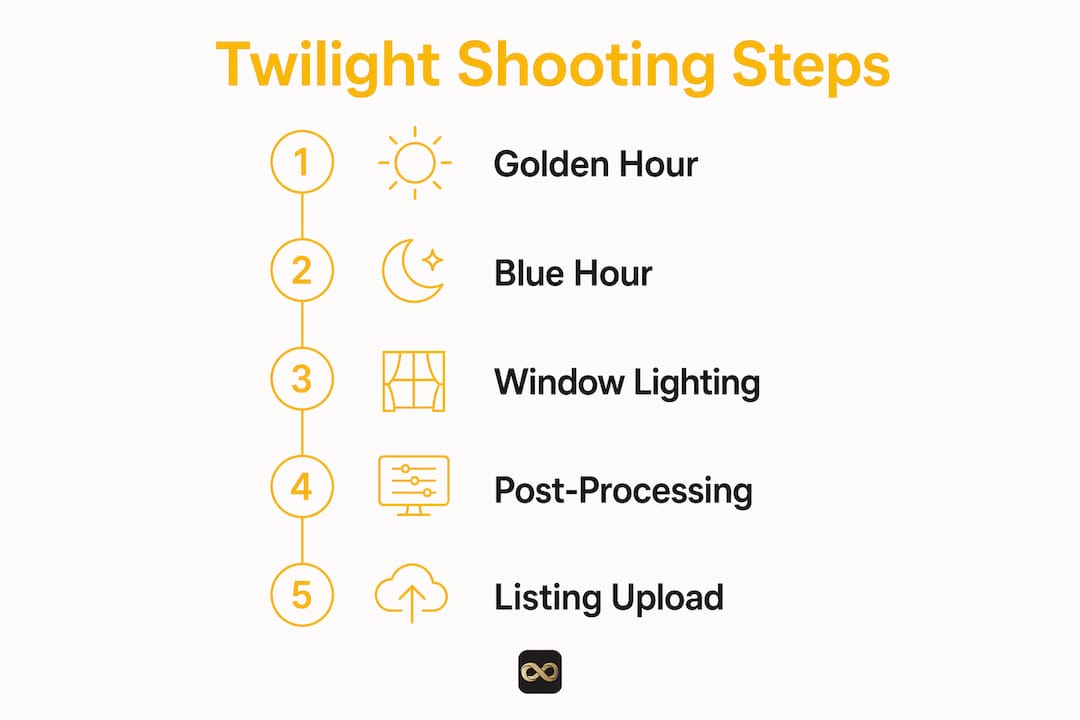
Pro Tip: Use the twilight shot as your first listing photo on the MLS. Buyers scan thumbnails fast, and a blue hour exterior stands out immediately against rows of flat daytime images.
Properties that benefit most from twilight photography share a few common traits:
- Strong architectural details that read well in low light
- Exterior lighting such as sconces, uplights, or landscape fixtures
- Pools, water features, or covered outdoor living spaces
- Large windows that reveal warm, well-lit interiors
- Distinctive rooflines or facades with visual depth
When and how to shoot twilight real estate photos effectively
Timing is the single most critical variable in twilight photography. The optimal window runs 10–20 minutes after sunset, when the sky holds enough ambient light to balance with the property's artificial lighting. Miss that window by even five minutes and the sky goes too dark, leaving the exterior looking flat and the interior lights overexposed.
Here is a step-by-step approach that professional photographers use:
- Check the sunset time and arrive early. Photographers typically arrive 30 minutes before sunset to scout angles and set up gear. Planning apps like PhotoPills map the sun's exact position so you know where the light will fall before it happens.
- Turn on every light in the house. All interior lights, lamps, and exterior fixtures must be on before you shoot. Preparation is 90% of success in twilight photography. Missed lights create dark patches that look disjointed in the final image.
- Shoot test frames starting 10 minutes before sunset. The sky changes fast. Test shots help you calibrate exposure before the peak window opens.
- Use exposure bracketing and shoot in RAW format. Bracket each frame at three or more exposures. RAW files retain the full tonal range needed to blend sky and interior lighting in post-processing.
- Work quickly and methodically. You have roughly 20 minutes. Prioritize your primary angles first, then capture secondary compositions if time allows.
- Return the next day if you miss the window. Missing the twilight window means returning the next day. There is no recovering a shot once the sky goes dark.
Post-processing for twilight images typically involves HDR blending, color grading to preserve the blue sky tone, and selective dodging and burning to balance interior and exterior exposure. Software like Adobe Lightroom and Photoshop are the standard tools for this work.
Pro Tip: Shoot from a slightly lower angle than you would for daytime exteriors. A lower perspective makes the sky fill more of the frame, amplifying the dramatic blue hour effect.
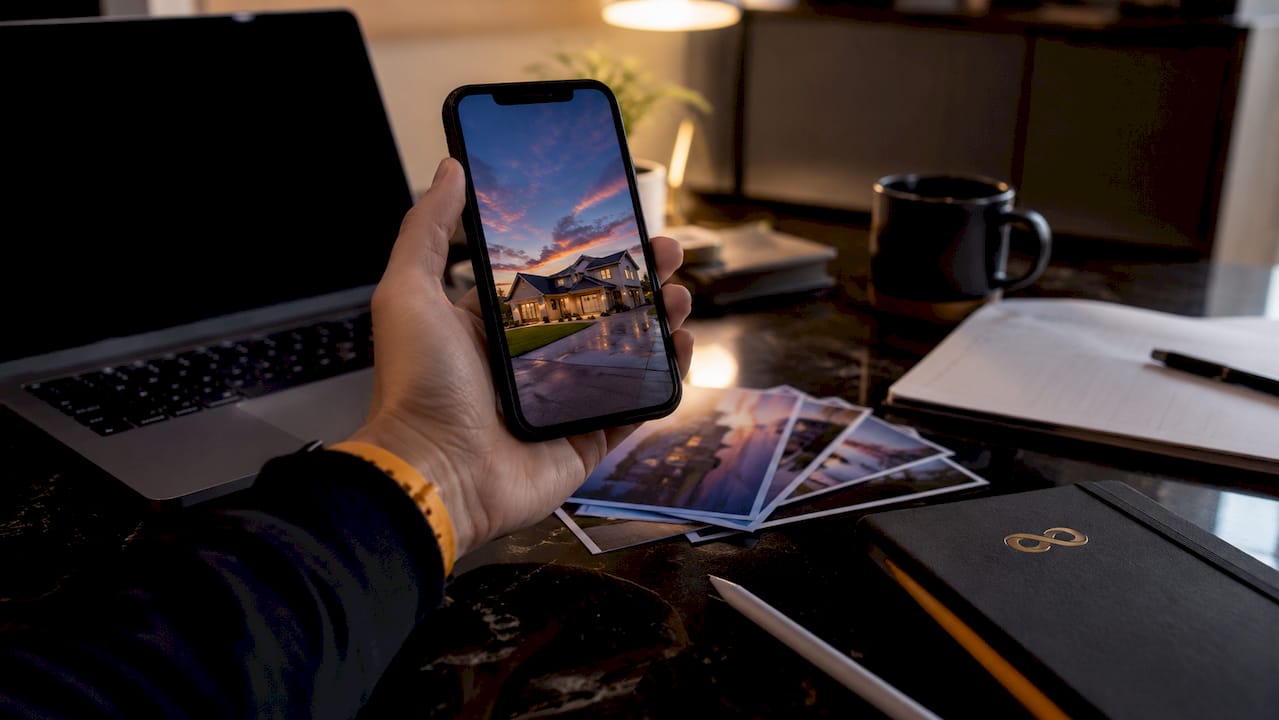
What are the benefits and limitations of twilight photography?
The 76% engagement increase from twilight listing photos is the clearest argument for the technique. More clicks mean more showings. More showings mean faster sales and stronger offers. For the right property, that return far outweighs the $150–$300 shoot cost.
Twilight photography works best as a lifestyle marketing tool. Buyers browsing listings at night, which is when most online home searches happen, respond to images that match the mood of the moment. A glowing, well-lit exterior photographed against a cobalt sky feels aspirational in a way that a flat midday shot simply cannot replicate.
That said, twilight photography is most effective on properties with strong architecture, landscaping, or lighting features. A modest suburban ranch with minimal exterior lighting and no distinctive features will not photograph dramatically at twilight. The technique requires visual material to work with.
Properties where twilight photography delivers strong ROI:
- Luxury homes priced above the local market median
- Properties with pools, outdoor kitchens, or covered patios
- Homes with custom exterior lighting or landscape design
- Architecturally distinctive builds with strong rooflines or facades
- Vacation rentals and Airbnb properties where seasonal imagery drives bookings
Properties where the investment may not pay off:
- Small starter homes with minimal exterior features
- Properties with no exterior lighting installed
- Listings in markets where buyers prioritize price over presentation
- Homes surrounded by obstructions that block the sky
Airbnb hosts and short-term rental owners are a growing audience for twilight photography. Updating listing photos at the start of each season, especially with a twilight exterior that shows the property at its most inviting, directly affects booking rates. A warm, glowing rental photo in the fall or winter months signals comfort and draws guests looking for a cozy stay.
What is virtual twilight photography and when should you use it?
Virtual twilight uses AI-powered editing to transform a standard daytime exterior photo into a twilight-style image. The process digitally replaces the sky with a deep blue gradient and adds a warm glow to windows to simulate interior lighting. The result looks similar to a real twilight photo at a fraction of the cost.
Virtual twilight is a practical option in specific situations. It works well for mid-tier listings where a full twilight shoot is hard to justify economically. It also solves the scheduling problem. Real twilight shoots require coordination, good weather, and precise timing. Virtual twilight can be applied to any daytime photo, any time.
The trade-off is realism. Buyers and agents who look closely can often tell the difference between a real blue hour shot and a digitally simulated one. Overprocessed virtual twilight images, with skies that look too perfect or window glows that do not match the property's actual lighting, can erode buyer trust.
Best use cases for virtual twilight:
- Mid-range listings where budget limits a full twilight shoot
- Properties with good architecture but no exterior lighting installed
- Agents who need a hero image quickly without scheduling constraints
- Airbnb hosts refreshing seasonal photos between bookings
Pro Tip: When using virtual twilight, ask your editor to match the window glow color to the actual interior light color of the property. Mismatched warm tones are the fastest way to make a virtual edit look artificial.
Proofe's sky replacement service handles this kind of digital enhancement directly, giving agents a fast path to twilight-style images without a separate shoot.
Key Takeaways
Twilight real estate photography delivers measurable listing results, but only when applied to the right properties with the right preparation.
| Point | Details |
|---|---|
| Timing is everything | Shoot 10–20 minutes after sunset during the blue hour for the best sky-to-interior balance. |
| Preparation drives results | Turn on all interior and exterior lights before the shoot to avoid flat, disjointed images. |
| Best for distinctive properties | Twilight photography pays off most on luxury, architecturally strong, or well-lit homes. |
| Virtual twilight fills the gap | AI-powered sky replacement offers a cost-effective alternative for mid-tier listings. |
| Twilight complements, not replaces | Use the twilight shot as your hero image alongside daytime photos, not instead of them. |
Why twilight photography changed how I think about listing strategy
The first time I saw a twilight exterior pull a listing out of a slow market, I stopped treating photography as a line item and started treating it as a marketing decision. The property had sat for three weeks with standard daytime photos. The agent added a single twilight exterior as the lead image. Showing requests picked up within 48 hours.
What I have learned since then is that twilight photography is not magic. It is context. A glowing home against a cobalt sky tells a story that a flat noon shot cannot. Buyers browsing listings after work, tired and scrolling fast, respond to images that feel like the life they want. That emotional signal is worth more than any feature description in the listing copy.
The coordination piece trips up a lot of agents. You need to be on-site, all lights need to be on, and the weather has to cooperate. Missing the window by ten minutes means coming back the next day. That friction is real, and it is why virtual twilight has grown as a practical alternative for agents who need results without the scheduling complexity.
For Airbnb hosts, I think twilight photography is underused. A warm, glowing exterior photo at the start of fall or winter booking season signals exactly what a guest wants: comfort, warmth, and a place that looks as good at night as it does in the listing. Seasonal photo updates with twilight shots are one of the highest-ROI moves a short-term rental host can make.
The honest advice is this: match the tool to the property. Twilight photography on the right listing is one of the most effective real estate photo tips available. On the wrong listing, it is an expensive photo of a dark house.
— Richard Lopez
Proofe makes professional listing photos accessible
Real estate agents and Airbnb hosts who want professional-quality listing images without the complexity of a full production shoot can get started with Proofe today.
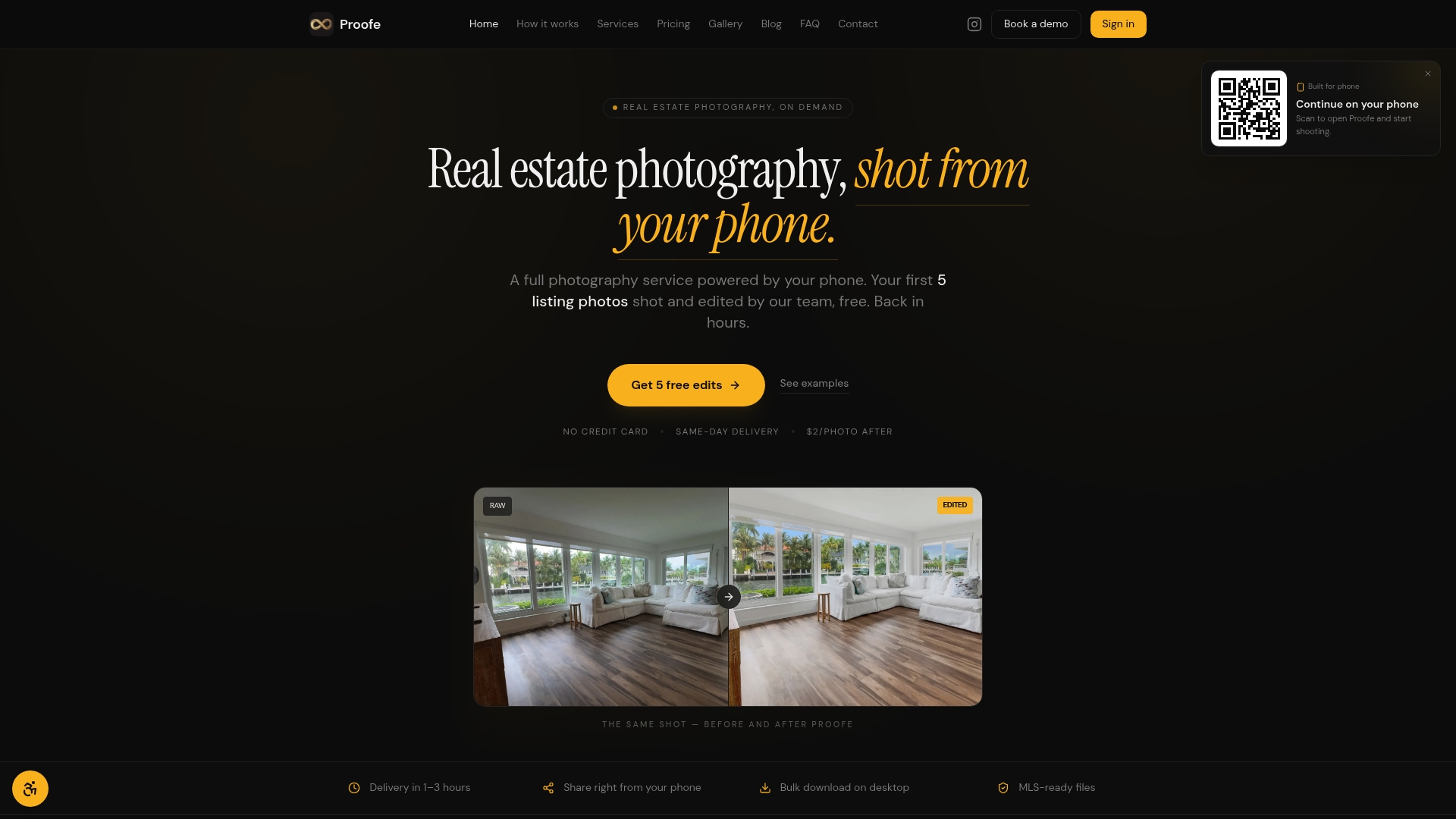
Proofe's real estate photo app lets you shoot listing photos directly from your smartphone, then uses AI to enhance them to MLS-ready quality. The AI photo enhancer handles exposure correction, color grading, and sky replacement, including virtual twilight effects, in the same workflow. You get same-day delivery, MLS-ready files, and your first five photos free. For agents who need great listing images fast and hosts refreshing seasonal photos between bookings, Proofe removes the barriers that usually stand between a good photo and a great one.
FAQ
What is twilight photography in real estate?
Twilight real estate photography captures a property's exterior during the 20–30 minute window after sunset, when the sky turns deep blue and interior lights glow warmly through windows. The technique produces dramatic, aspirational images that outperform standard daytime exteriors in online engagement.
How long does the twilight window last for real estate photos?
The optimal shooting window runs roughly 10–20 minutes after sunset and lasts about 20–30 minutes total. A five-minute mistiming can significantly affect image quality, so arriving early and using a planning app like PhotoPills is standard practice.
Is twilight photography worth the cost for every listing?
Twilight photography delivers the strongest ROI on luxury homes, architecturally distinctive properties, and listings with strong exterior lighting or outdoor features. Modest homes with minimal exterior detail see less benefit from the investment.
What is virtual twilight photography?
Virtual twilight uses AI-powered editing to digitally replace a daytime sky with a blue hour gradient and add warm window glows, simulating the look of a real twilight shoot. It is a cost-effective option for mid-tier listings or agents who cannot schedule an on-site twilight session.
Can Airbnb hosts benefit from twilight photography?
Airbnb hosts benefit significantly from twilight photos, especially when refreshing listing images at the start of a new season. A warm, glowing exterior photo signals comfort and draws bookings from guests searching for an inviting stay.