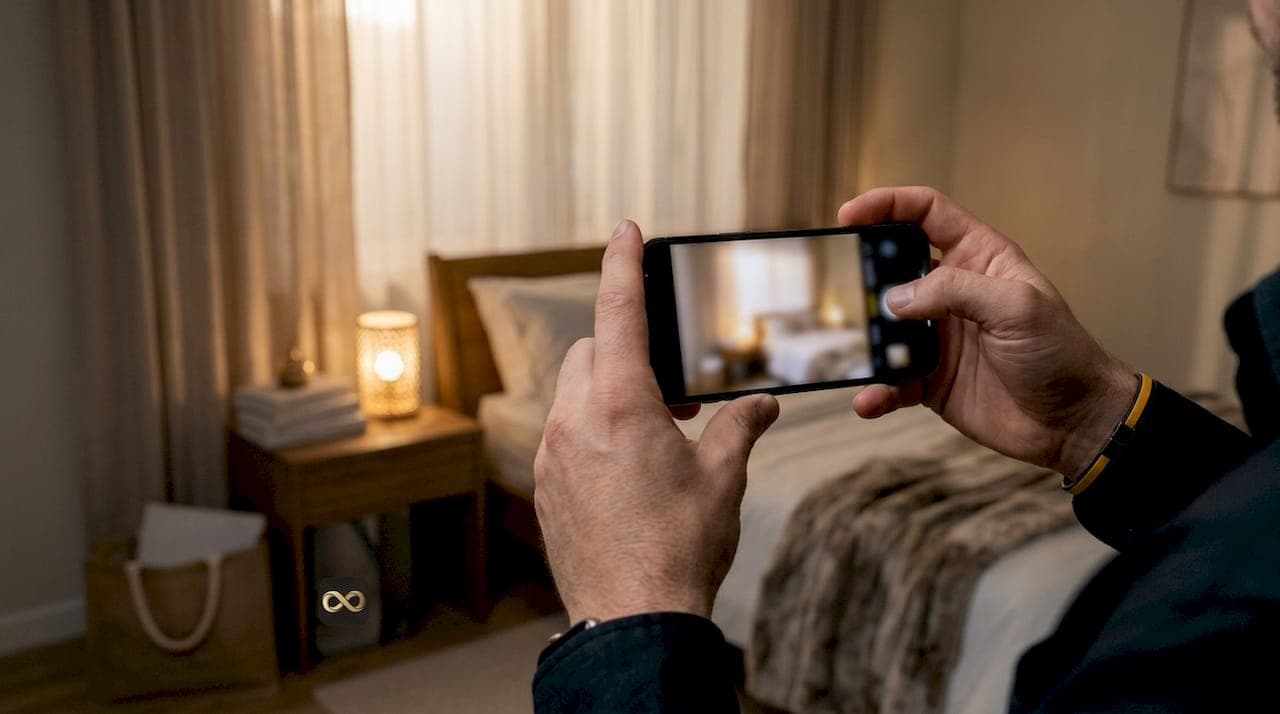
Real estate photography styles are the distinct visual approaches agents and homeowners use to present properties in listings, each designed to attract a specific type of buyer or renter. Choosing the right style is not a matter of preference. It directly affects how many people click, engage, and inquire. Whether you manage a luxury condo, a family home, or an Airbnb rental, understanding the types of real estate photography styles available gives you a real edge in a competitive market.
What are the main types of real estate photography styles?
Real estate photography covers a wide range of techniques, and each one serves a different marketing goal. The six most widely used styles are:
- Residential interior photography: Captures room layout, flow, and natural light. Wide-angle lenses in the 14–24mm range give the most accurate sense of space, and shooting at chest height keeps the perspective natural.
- Exterior and architectural photography: Focuses on curb appeal and building character. Longer focal lengths in the 24–35mm range reduce distortion and keep vertical lines straight.
- Twilight and golden hour photography: Shot at dusk or just after sunset to create warm, atmospheric images that sell lifestyle rather than just square footage.
- Drone and aerial photography: Provides overhead views of the property, lot size, and surrounding neighborhood context. Especially useful for large estates, commercial properties, and waterfront homes.
- Video walk-throughs and virtual tours: Immersive formats that let buyers experience room flow before visiting in person.
- Detail and lifestyle photography: Close-up shots of textures, finishes, and styled vignettes that support visual storytelling in real estate by implying how a space feels to live in.
Each style answers a different question a buyer has. Interior shots answer "how big is it?" Twilight shots answer "how will I feel coming home?"
1. Residential interior photography
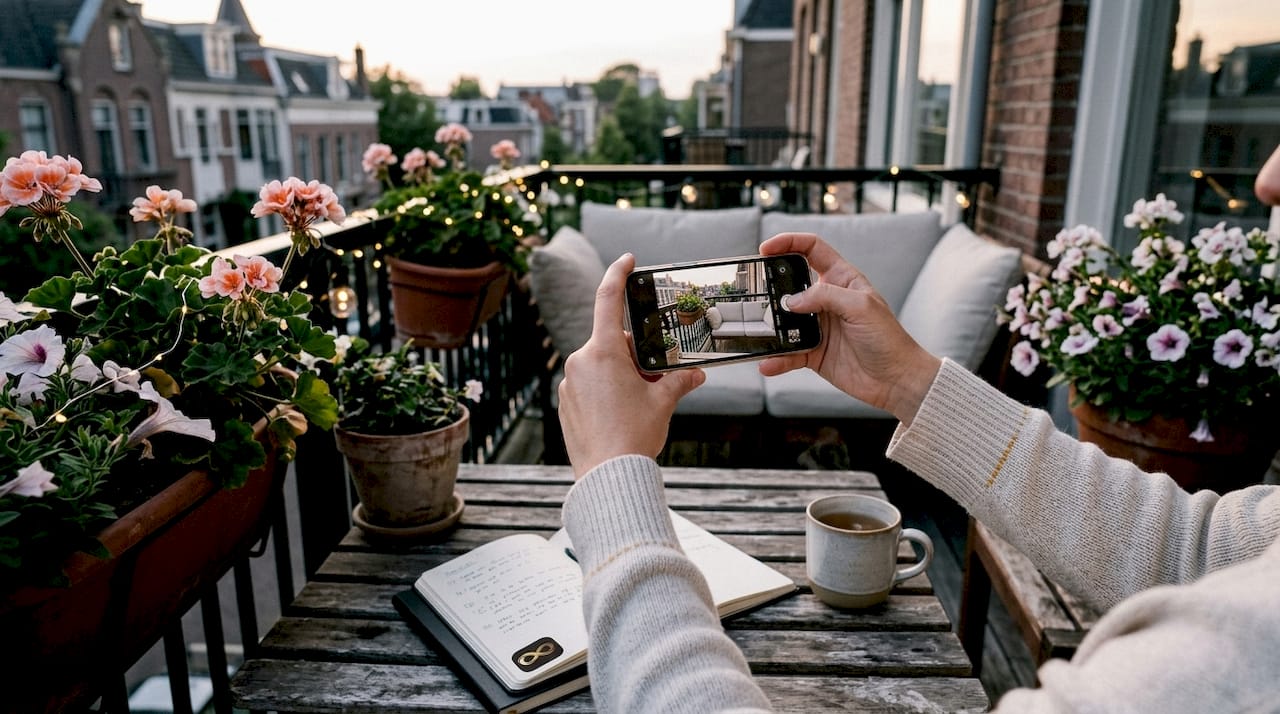
Interior photography is the foundation of every listing. Its job is to show space, light, and flow in a way that feels honest and inviting. The goal is not to make rooms look bigger than they are. The goal is to make buyers feel comfortable enough to schedule a showing.
Shoot from corners to maximize depth. Keep the camera level to avoid distorted walls. Use a real estate photo composition approach that leads the eye through the room naturally. Turn on all interior lights and open every blind before you shoot.
Pro Tip: Shoot kitchens and bathrooms from the doorway, not from inside the room. This gives buyers the same first impression they will get when they walk in.
2. Exterior and architectural photography
The exterior shot is the first image most buyers see in a listing. It sets the tone for everything that follows. A strong exterior photo communicates pride of ownership and neighborhood quality before a buyer reads a single word of the description.
Shoot in the early morning or late afternoon when the sun hits the front of the home at an angle. Flat midday light flattens the facade and removes depth. Remove cars from the driveway, trim visible hedges, and check that the lawn looks tidy. For commercial real estate photography, shoot from a slight elevation to show the building's full footprint and signage.
3. Twilight and golden hour photography
Twilight photos generate 66% more views than listings using only standard daylight images. That is not a small difference. It reflects a fundamental truth about how buyers respond to light.
Daylight photography is functional. It proves condition and layout, building rational confidence in a buyer. Twilight photography is emotional, selling lifestyle and experience through warm ambient light and glowing windows. The two styles serve different psychological needs, and the best listings use both.
Golden hour, the 20–30 minutes just after sunrise or before sunset, produces softer shadows and warmer tones than midday light. Twilight, shot 15–20 minutes after the sun drops below the horizon, creates that signature deep blue sky with interior lights glowing through windows.
Pro Tip: Bracket your twilight exposures. Take one shot exposed for the sky, one for the interior lights, and blend them in editing. This prevents blown-out windows and preserves the moody sky simultaneously.
Airbnb hosts benefit from twilight shots too. Updating your listing photos at the start of each season with a fresh twilight exterior can noticeably lift click-through rates during peak booking windows.
4. Drone and aerial photography
Drone photography answers questions that ground-level shots cannot. How close is the property to the water? How large is the lot? What does the neighborhood look like from above? These are questions buyers ask before they visit, and aerial imagery answers them visually.
Listings with video content generate 403% more inquiries than those relying on static images alone. Drone footage, when edited into a short property video, contributes directly to that number. It gives buyers a sense of scale and context that no interior shot can replicate.
For residential properties, a simple overhead orbit of the home and lot is enough. For commercial real estate photography, drone footage showing access roads, parking, and proximity to major intersections adds genuine value for business buyers.
Pro Tip: Combine a drone flyover with a ground-level walk-through video. Start the video from the air, descend toward the front door, and transition into the interior tour. This creates a cinematic flow that holds attention far longer than static photos.
5. Video walk-throughs and virtual tours
Video walk-throughs let buyers experience a property's layout and flow before they ever step inside. For out-of-state buyers and renters, a well-produced video tour can replace an in-person visit entirely. That makes it one of the highest-leverage tools in any listing.
A strong walk-through moves at a steady pace, enters each room from the doorway, and pauses briefly on key features like fireplaces, built-ins, and views. Keep the video under three minutes for residential listings. Buyers lose interest quickly if the pacing drags.
Virtual tours, which use 360-degree photography stitched into an interactive format, give buyers even more control. They can navigate room to room at their own pace. This format works especially well for vacation rentals and Airbnb listings, where guests want to verify the layout before booking.
6. Detail and lifestyle photography
Detail shots are the secret weapon of high-performing listings. A close-up of subway tile backsplash, a styled coffee table, or morning light falling across hardwood floors tells a story that wide-angle shots cannot. Visual storytelling combines interior design and digital cinematography to convey a lifestyle promise through photography and video.
These shots work best when they support the property's core appeal. A luxury home benefits from close-ups of marble countertops and designer fixtures. A family home benefits from shots of a sunny breakfast nook or a backyard with space to play. Match the detail shots to the buyer you are trying to reach.
7. Virtual staging and 3D renderings
Virtual staging replaces empty rooms with digitally rendered furniture and decor. It costs a fraction of physical staging and produces results that photograph just as well. For vacant investment properties and new construction, virtual staging is the most cost-effective way to help buyers visualize the finished space.
3D renderings go further, creating photorealistic images of properties that do not yet exist. Developers use them to pre-sell units before construction begins. For agents marketing new builds, renderings are not optional. They are the listing.
The key with virtual staging is transparency. Label staged images clearly in the listing. Buyers who feel misled at a showing lose trust quickly, and that trust is hard to rebuild.
How do visual storytelling and consistent editing styles elevate listings?
Consistent editing builds a recognizable brand that boosts trust and perceived quality across every listing you publish. Buyers who see your photos repeatedly start to associate that visual style with professionalism and reliability.
"Successful agents refine a repeatable editing workflow for exposure, color balance, and perspective to create a premium brand feel. Video and drone footage should have matching style and color grading for brand consistency."
A luxury brand calls for cooler tones, clean whites, and minimal clutter. A family-home brand works better with warm tones, natural light, and lived-in details. Neither is wrong. The mistake is mixing both in the same listing or switching styles between properties.
Pro Tip: Create a simple preset or filter in your editing app and apply it to every photo in a listing. Consistent color temperature across all images makes a listing feel polished and intentional, even if the photos were shot at different times of day.
Video and drone footage must match the color grading of your still photos. A warm, golden photo set paired with a cool, desaturated video creates visual dissonance that buyers notice even if they cannot name it.
Matching photography styles to property types and goals
Not every style fits every property. Choosing the wrong approach wastes time and can actively hurt a listing's appeal.
| Property type | Best photography styles | Marketing goal |
|---|---|---|
| Residential home | Interior, exterior, twilight | Emotional connection, showings |
| Luxury property | Detail, lifestyle, drone, twilight | Aspirational appeal, premium price |
| Commercial property | Exterior, aerial drone, video | Scale, access, business context |
| Rental or Airbnb | Interior, virtual tour, twilight | Booking confidence, seasonal refresh |
| New construction | 3D rendering, virtual staging | Pre-sale visualization |
Budget-conscious homeowners should prioritize interior and exterior shots first. These two styles cover the rational and emotional bases for most buyers. Agents managing multiple listings benefit from adding twilight and drone shots to properties above a certain price threshold, where the return on investment is clearest.
For rental properties, including Airbnb listings, refreshing photos at the start of each season is one of the simplest ways to maintain strong booking rates. A rental listing photo guide can help you plan which styles to update and when.
Check the listing photo quality checklist to make sure every style you use meets MLS standards before you publish.
Key takeaways
The most effective real estate listings combine at least three photography styles: interior, exterior, and one emotionally driven format such as twilight or video.
| Point | Details |
|---|---|
| Twilight photos drive views | Twilight images generate 66% more listing views than daylight-only photos. |
| Video multiplies inquiries | Listings with video receive 403% more inquiries than static-image-only listings. |
| Consistent editing builds brand trust | A repeatable editing workflow creates a recognizable, premium visual identity across listings. |
| Match style to property type | Luxury homes need detail and drone shots; rentals need virtual tours and seasonal refreshes. |
| Visual storytelling sells lifestyle | Detail and lifestyle shots answer the emotional question buyers ask: "How will I feel living here?" |
What I have learned from years of watching listings perform
I have reviewed hundreds of listings across price points and markets, and the pattern is always the same. The listings that get the most clicks are not the ones with the most photos. They are the ones with the most intentional photos.
Agents often treat photography as a checklist item. Shoot the rooms, upload the files, move on. That approach produces listings that look fine but feel forgettable. The agents who consistently outperform their market treat photography as a marketing decision, not a documentation task.
The single biggest missed opportunity I see is the failure to use twilight photography on properties that would benefit most from it. A mid-range home with a well-lit exterior and a glowing interior at dusk looks like a dream. The same home shot at noon on an overcast day looks like a tax record.
My other observation is about consistency. Agents who build a recognizable visual style, even a simple one, earn more referrals over time. Buyers remember how a listing made them feel. If your photos consistently make properties feel warm, spacious, and well-maintained, buyers start to seek you out specifically.
Experiment with styles, but always come back to the question: what does this buyer need to feel to take the next step? Answer that question with your photos, and the inquiries will follow.
— Richard Lopez
How Proofe makes every photography style accessible
You do not need a professional camera or a full production crew to produce listing photos that compete at the top of the market. Proofe's real estate photo app lets you shoot, AI-enhance, and download MLS-ready images directly from your smartphone, same day.
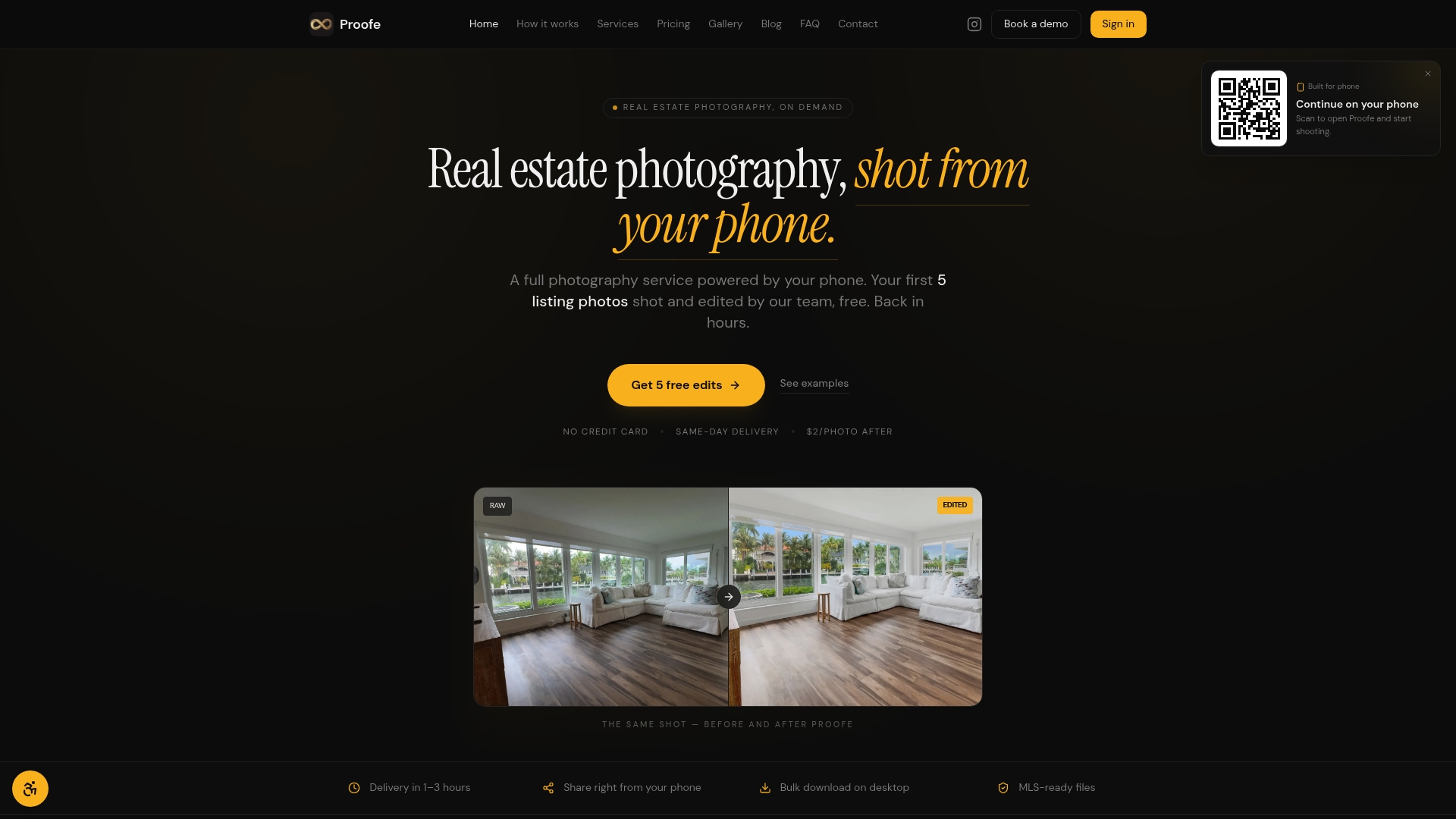
Proofe's AI editing covers sky replacement for exterior shots, bright room edits for interiors, and full photo enhancement for every style in this guide. Whether you are refreshing an Airbnb listing for the summer season or preparing a luxury home for its first day on market, Proofe's editing services handle the technical work so you can focus on the listing. Your first five photos are free.
FAQ
What are the most important real estate photography styles for a standard listing?
Interior, exterior, and twilight photography cover the three core buyer needs: layout, curb appeal, and emotional connection. Most residential listings perform well with these three styles combined.
How much do twilight photos improve listing performance?
Twilight photos average 66% more views than listings using only standard daylight images, making them one of the highest-return photography investments for any property.
Do Airbnb listings benefit from professional photography styles?
Yes. Airbnb listings with high-quality interior and twilight photos attract more bookings, and refreshing photos at the start of each season helps maintain strong click-through rates during peak rental periods.
What photography style works best for commercial real estate?
Drone and aerial photography combined with exterior architectural shots work best for commercial properties. These styles communicate scale, access, and neighborhood context that business buyers prioritize.
Can I use multiple photography styles in a single listing?
Using multiple styles in one listing is the standard practice for competitive markets. The key is maintaining consistent editing and color grading across all images so the listing feels cohesive rather than disjointed.