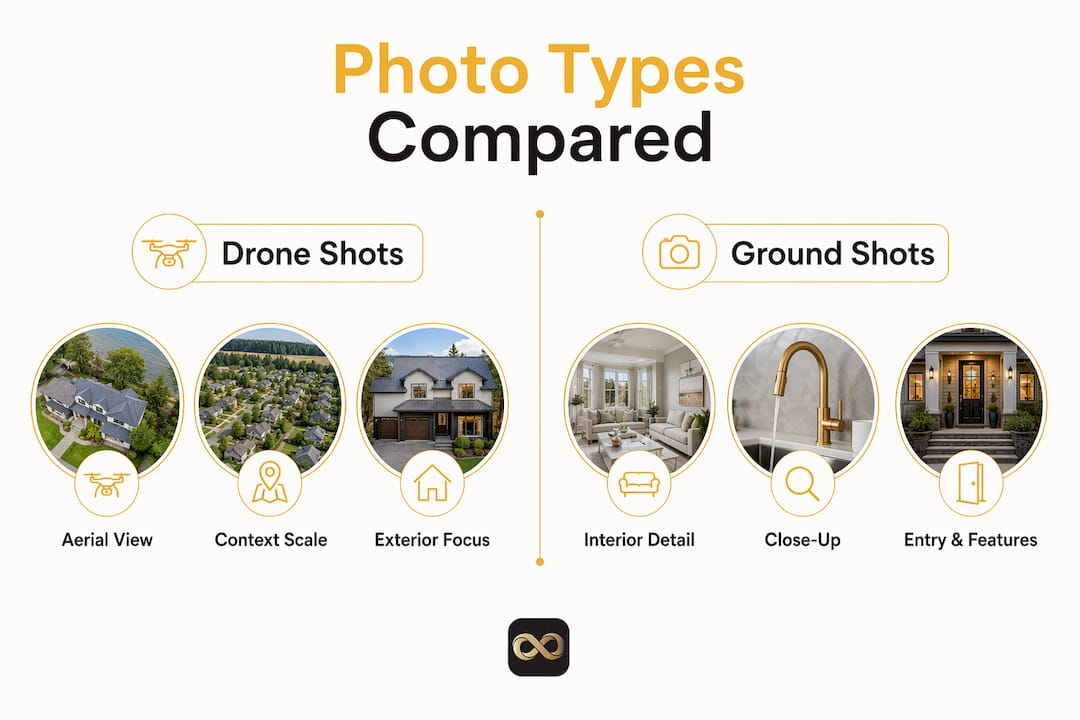
Drone photos extend ground shots by adding immediate context, scale, and neighborhood insights that eye-level images simply can't show. Together, they answer every buyer question in a single gallery: where is this property, how big is it, and what does it feel like inside? According to an agency case study cited by Alpha Resolution, listings with aerial imagery saw a 64% boost in viewing time compared to ground-only galleries. The FAA requires commercial drone operators to hold a Part 107 certification, and Proofe handles the ground-photo side with AI-enhanced edits delivered same-day.
Quick decisions before you book:
- Does the property have acreage, waterfront access, or a complex lot? Add drone.
- Do interiors need emotional, eye-level detail shots? Use ground photography.
- Is this an Airbnb or vacation rental heading into a new season? Refresh both.
TL;DR: Pair a certified drone operator for aerial context with Proofe-enhanced smartphone ground photos for interiors and detail work. You get MLS-ready files fast, at a fraction of full-production cost.
Table of Contents
- When do drone photos add the most value?
- When are ground shots the better choice?
- How do you combine drone and ground shots effectively?
- What are the US legal and safety requirements for drone shoots?
- How do costs and turnaround compare across workflow options?
- Key Takeaways
- The case for strategic, not reflexive, drone use
- Proofe makes the ground-photo side fast and MLS-ready
- Useful sources and further reading
When do drone photos add the most value?
Aerial shots are especially valuable for properties with large acreage, waterfront access, or complex layouts where understanding boundaries and surroundings matters most. A single overhead frame can show a buyer the lot footprint, the neighbors' tree line, and the lake access all at once — something a dozen ground shots can't replicate.
Properties that almost always benefit from aerials:
- Acreage and rural listings where lot lines are hard to read at ground level
- Waterfront, lakefront, or beachfront homes where proximity is the selling point
- Properties with multiple outbuildings, pools, or rooftop amenities
- New developments and commercial parcels where site context drives decisions
- Vacation rentals and Airbnb properties where aerial images speed buyer comprehension of amenity proximity
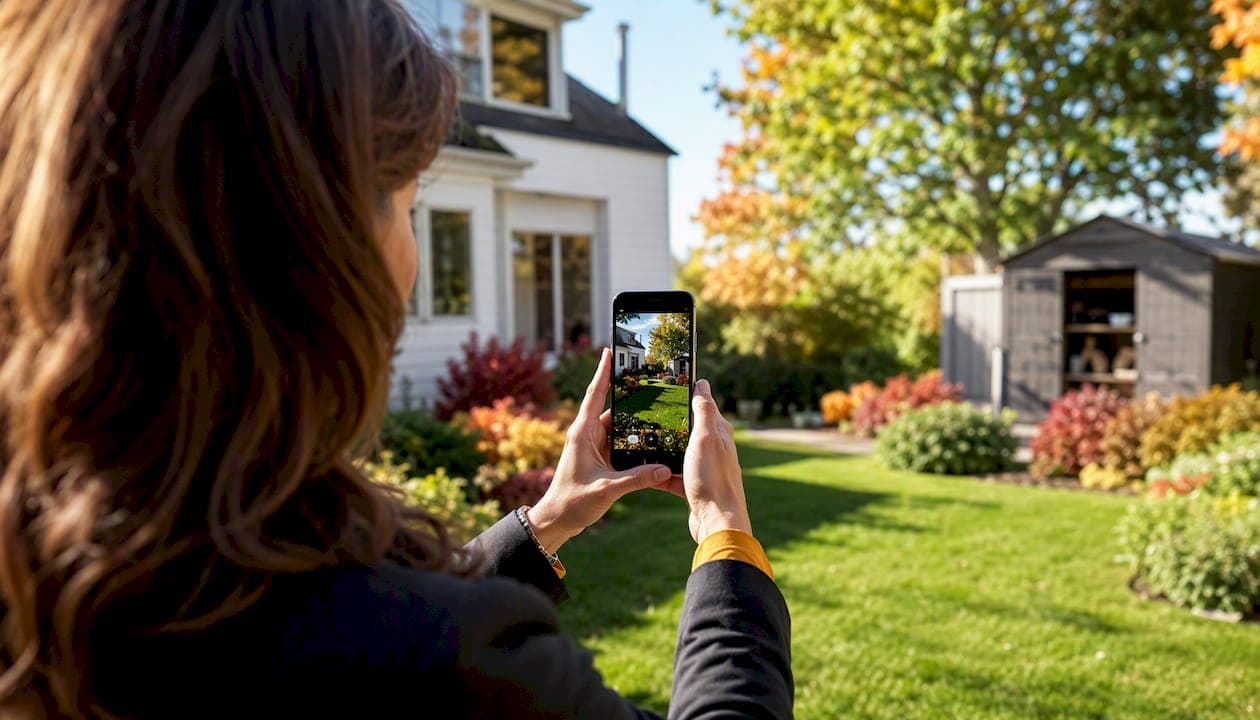
For Airbnb hosts, seasonal refreshes are a real revenue lever. A summer shoot showing beach access and a lush backyard tells a completely different story than a winter gallery. Updating your listing photos before peak season — spring break, summer, fall foliage — directly affects booking rates. Pairing a fresh aerial with updated interior ground shots (run through Proofe for same-day edits) is one of the fastest ways to improve rental listing performance before demand spikes.
Drone photography also doubles as a practical inspection tool. Safe roof and gutter checks from drone footage reduce liability and eliminate the need for ladders — a real advantage for agents managing older or larger properties.
Aerial images present the lot footprint and nearby amenities in one frame, which is particularly persuasive for vacation rentals and properties marketed on short-term platforms. — Rob Harris, property marketing specialist
Pro Tip: Schedule your aerial shoot during peak seasonal color or when outdoor amenities are at their best. Fall foliage, blooming landscaping, and summer pool shots all photograph dramatically better from above. Coordinate your Proofe ground-photo refresh on the same day to keep color tones consistent across the full gallery.
When are ground shots the better choice?
Ground photography remains the industry standard for interior documentation because it creates intimacy, shows materials and finishes, and supports the emotional connection buyers need to picture themselves living in a space. A drone can't show you the herringbone tile in the kitchen or the way afternoon light hits the living room.
Skip the drone and lead with ground shots when:
- The listing is a high-rise condo where the exterior view is from a window, not a yard
- The property's value is almost entirely interior (renovated kitchens, spa bathrooms)
- The lot is small or urban with no meaningful outdoor context to show
- Weather, airspace restrictions, or permit timelines make a drone shoot impractical
Drone limitations are real. Batteries limit flight time. Wind and rain ground flights entirely. Professionals recommend strategic drone use — not using drones for every project — because overusing aerials in a gallery of a 900-square-foot condo just looks odd and wastes budget.
Drone photography is a powerful tool, but it's not a universal one. For high-rise interiors or small-scale detail work, ground shots are often preferable — and forcing aerials into a listing where they don't belong can actually confuse buyers rather than impress them.
Watch out for these common mistakes: mismatched color profiles between aerial and ground images, overexposed sky replacements that look artificial, and jarring transitions from a wide overhead shot directly to a tight interior with no exterior ground-level bridge shot.
How do you combine drone and ground shots effectively?
The goal is a gallery that tells one cohesive story, not two separate photo sets stitched together. Matching color profiles, resolution, and lighting styles between drone and ground footage in post-production is the single highest-leverage task in the entire workflow.
Recommended gallery sequence:
- Wide aerial establishing shot (neighborhood context, lot footprint)
- Front elevation drone shot at roofline level — reduces vertical distortion that ground-level cameras can't avoid on two-story homes
- Exterior ground shots (front entry, driveway, backyard, landscaping)
- Interior walkthroughs (living spaces, kitchen, primary bedroom, bathrooms)
- Detail and lifestyle images (hardware, fixtures, staging vignettes)
Drone shot list: overhead bird's-eye, front elevation from just above roofline, neighborhood context showing proximity to parks or water, roof and gutter inspection pass.
Ground shot list: front entry, main living area, kitchen, primary suite, bathrooms, any standout detail (fireplace, built-ins, outdoor kitchen). For rental listings, check out rental listing photo best practices for a full room-by-room checklist.
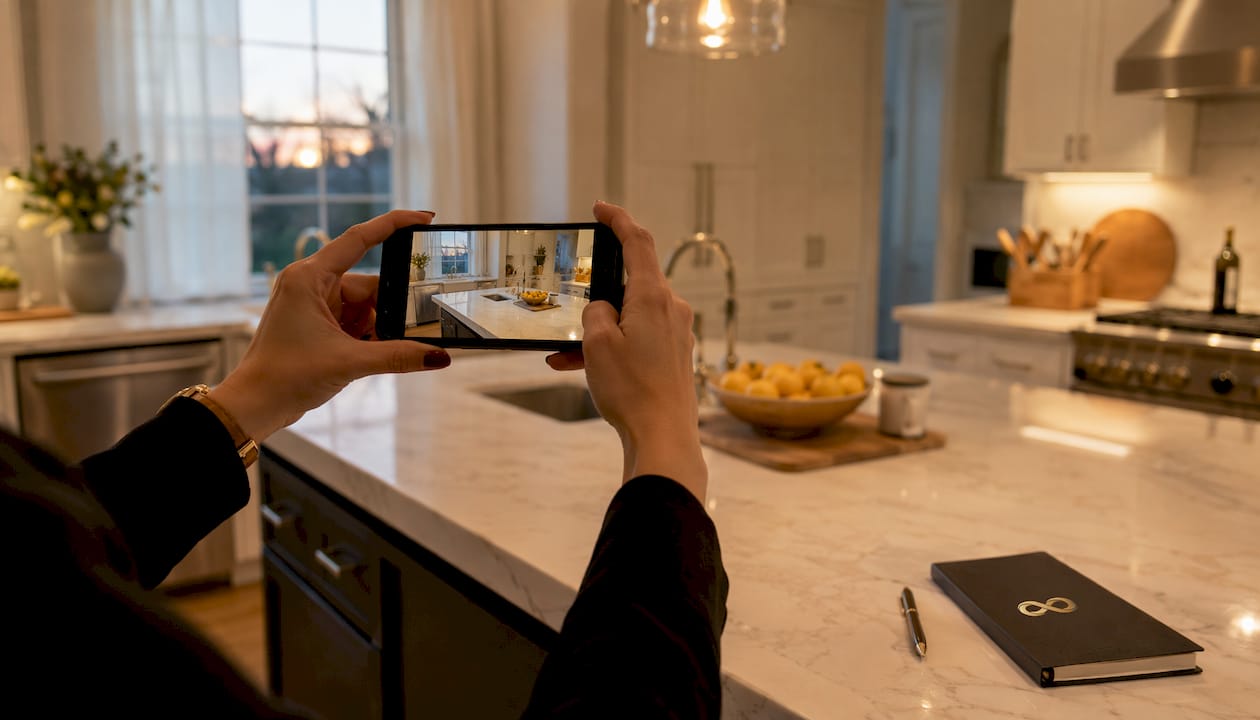
Shot continuity matters more than most agents realize. If your drone footage has a warm golden-hour tone and your interior ground shots are cool and blue, the gallery feels like two different properties. Request matching color grading from both your drone operator and your editing service.
Pro Tip: Shoot both drone and ground photos during the same golden-hour window — roughly 60 minutes after sunrise or before sunset. The warm, directional light flatters exteriors from above and interiors through windows simultaneously, making post-production color matching far easier.
Landscaping is worth staging before either shoot. Investing in curb appeal before listing pays off in both aerial and ground shots, since buyers notice manicured grounds immediately from overhead.
What are the US legal and safety requirements for drone shoots?
Commercial drone photography in the United States requires the operator to hold an FAA Part 107 certification. Always verify your operator's certificate before booking — ask to see the actual certificate number, which you can cross-check in the FAA's Airmen Inquiry database.
Pre-shoot compliance checklist:
- Confirm the operator holds a current FAA Part 107 Remote Pilot Certificate
- Check controlled airspace using the FAA's B4UFLY app or AirMap before scheduling
- File a NOTAM (Notice to Air Missions) if required for the airspace class
- Verify local municipal rules — some cities and HOAs have additional restrictions
- Confirm the operator carries liability insurance (ask for a certificate of insurance)
- Review MLS rules in your local board; some require disclosure when aerial imagery is used
Privacy matters too. Avoid framing shots that capture neighbors' yards, windows, or private spaces. In many states, photographing private property from the air without consent can create liability. When in doubt, stick to shots that frame your listing and its immediate surroundings.
The FAA's Part 107 rule is the baseline, but local ordinances can be stricter. A drone operator who only checks federal rules and ignores city or HOA restrictions is a liability risk for the listing agent, not just themselves.
Property owner pre-flight checklist: clear the yard of clutter and vehicles, secure pets indoors, remove temporary structures (trash cans, garden hoses), and let neighbors know the shoot is happening. A quick heads-up prevents complaints and keeps the session on schedule.
How do costs and turnaround compare across workflow options?
| Workflow | Best for | Visual purpose | Typical cost shape | Turnaround | Legal/permits | File types |
|---|---|---|---|---|---|---|
| Hired drone operator | Acreage, waterfront, large lots | Context, scale, roof inspection | Higher; varies by travel and acreage | 24–72 hours for edited delivery | FAA Part 107 required | RAW + JPEG, 4K video |
| Professional ground photographer | Luxury interiors, high-end staging | Detail, emotion, human scale | Moderate to high per shoot | 24–48 hours | None for ground work | RAW + JPEG |
| AI-enhanced smartphone (Proofe) | Any listing needing fast MLS-ready edits | Interior and exterior detail | Pay-per-photo; first 5 free | Same-day | None | MLS-ready JPEG |
A well-planned drone session can generate content for listings, social media, brochures, and construction tracking simultaneously, which makes the per-use cost lower than it first appears. For agents who list frequently, the real cost question is turnaround speed. Drone edits typically take 24–72 hours. Proofe delivers same-day, which matters when you need to go live fast.
For agents who capture their own ground photos on a smartphone, AI-enhanced editing closes the quality gap without the scheduling overhead of a full professional shoot. The practical workflow: shoot interiors on your phone, upload to Proofe, request color grading that matches your drone footage's tone, and download MLS-ready files the same day.
Key Takeaways
Drone photos and ground shots work best as a deliberate pair — aerials establish context and scale while ground images deliver the emotional detail that closes buyer interest.
| Point | Details |
|---|---|
| Aerials add context, not just beauty | Drone shots show lot size, surroundings, and amenity proximity in one frame — information ground shots can't convey. |
| Ground shots own interiors | Eye-level photography creates the emotional connection buyers need; no drone can replicate finishes and scale indoors. |
| 64% viewing time lift | Listings with aerial imagery saw a 64% boost in viewing time in one agency case study — a measurable engagement gain. |
| FAA Part 107 is non-optional | Every commercial drone shoot in the US requires a certified Part 107 operator; verify credentials before booking. |
| Proofe handles the ground side | Same-day MLS-ready edits from your smartphone photos pair directly with drone footage — first five photos are free. |
The case for strategic, not reflexive, drone use
The real estate photography conversation has shifted from "should I use a drone?" to "when does a drone actually help?" That's a healthier question. Agents who add aerials to every listing regardless of property type are spending money on shots that don't move buyers. A 700-square-foot urban condo does not need a bird's-eye view. A five-acre lakefront property absolutely does.
What gets overlooked is the post-production connection between aerial and ground images. Mismatched edits are one of the most common reasons a listing gallery underperforms despite high-quality individual photos. The drone footage looks cinematic and warm; the interior ground shots look flat and cool. Buyers feel the disconnect even if they can't name it.
The smarter workflow is to treat both shoots as one visual project. Match the color grading. Sequence the gallery intentionally. For Airbnb hosts especially, a seasonal refresh that updates both the aerial (showing summer landscaping or fall color) and the interior ground shots (through Proofe for same-day edits) is one of the highest-return moves you can make before a peak booking window opens.
Proofe makes the ground-photo side fast and MLS-ready
Skip the scheduling headache of a full professional ground shoot. Proofe gives you AI-enhanced listing photos from your smartphone — same-day delivery, MLS-ready files, and your first five photos free. That means you can capture interiors yourself, upload, and have polished, color-corrected images ready to pair with your drone footage before the day is out.
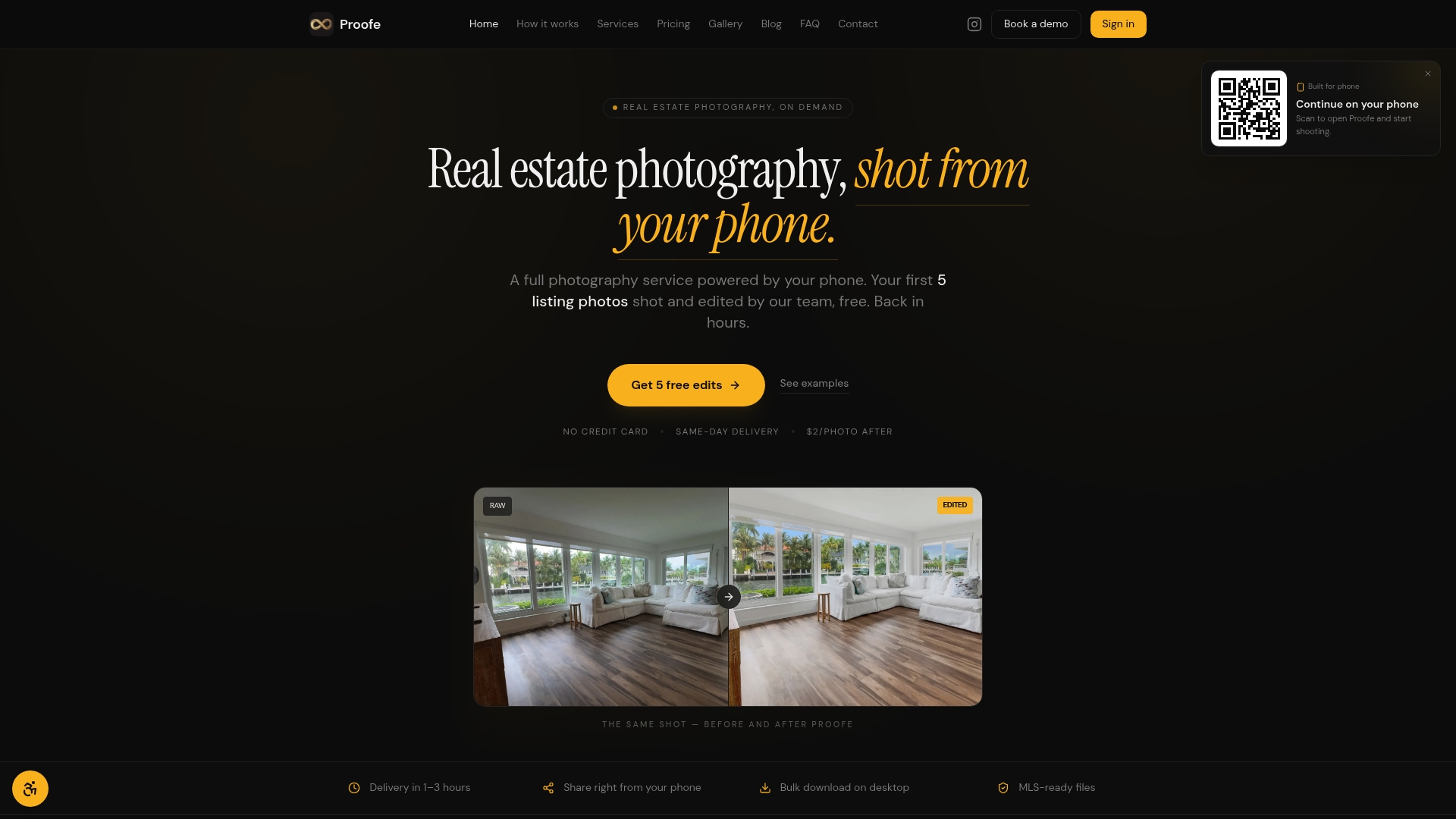
The workflow is simple: shoot your interiors and exterior ground shots on your phone, upload to Proofe, and request a color profile that matches your aerial footage's tone. Proofe handles exposure balancing, color correction, lens distortion fixes, sky replacement, and window pulls. Airbnb hosts can use the same process for seasonal refreshes — new photos before spring break or summer peak take less than a day and can directly lift booking rates.
Start your free trial at Proofe and get your first five photos edited at no cost. For a full look at editing options and delivery formats, visit the listing photo editing service page.
Useful sources and further reading
FAA and compliance:
- FAA Part 107 overview and certification — the primary source for commercial drone operator requirements in the US
- FAA B4UFLY app — airspace check tool before every shoot
Industry guidance:
- Ground vs. drone photography for property sales — Alpha Resolution — use-case breakdown and the 64% viewing-time case study
- Drone vs. ground-level shots for property marketing — Rob Harris — buyer decision-driver analysis
- When to use drone photography instead of ground shots — Quality Aerials — strategic use guidance
- Getting the best ground and drone shots together — St. Louis Video Editing — post-production color matching and sequencing
Proofe resources:
- Proofe AI photo enhancer — service overview for AI-enhanced ground photo editing
- How smartphone photos replace professional shoots — when Proofe is a practical alternative to a full shoot
- Property management listing photo schedule — seasonal refresh planning for Airbnb hosts and property managers