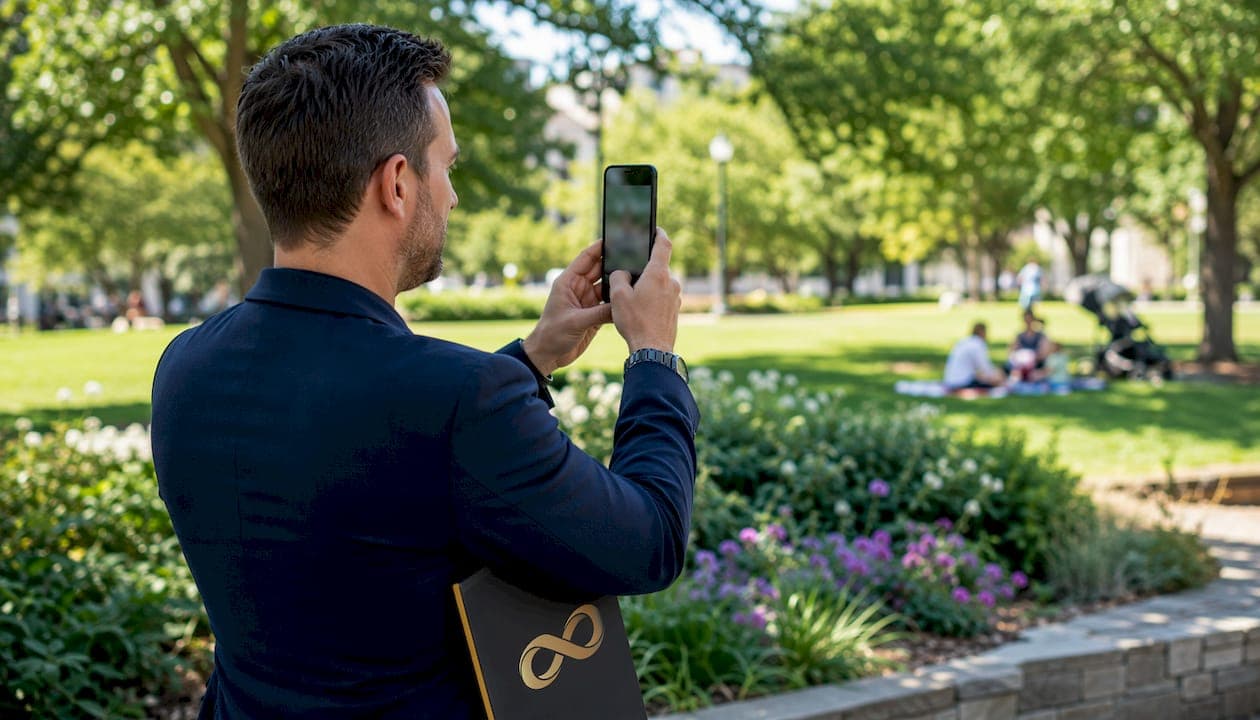
Why neighborhood context photos help real estate listings
Neighborhood context photos do more than fill out a listing. They answer the question every buyer is actually asking: "What is it like to live here?" When you show the coffee shop two blocks away, the tree-lined street, or the park where kids play on Saturday mornings, you turn a property address into a lifestyle pitch.
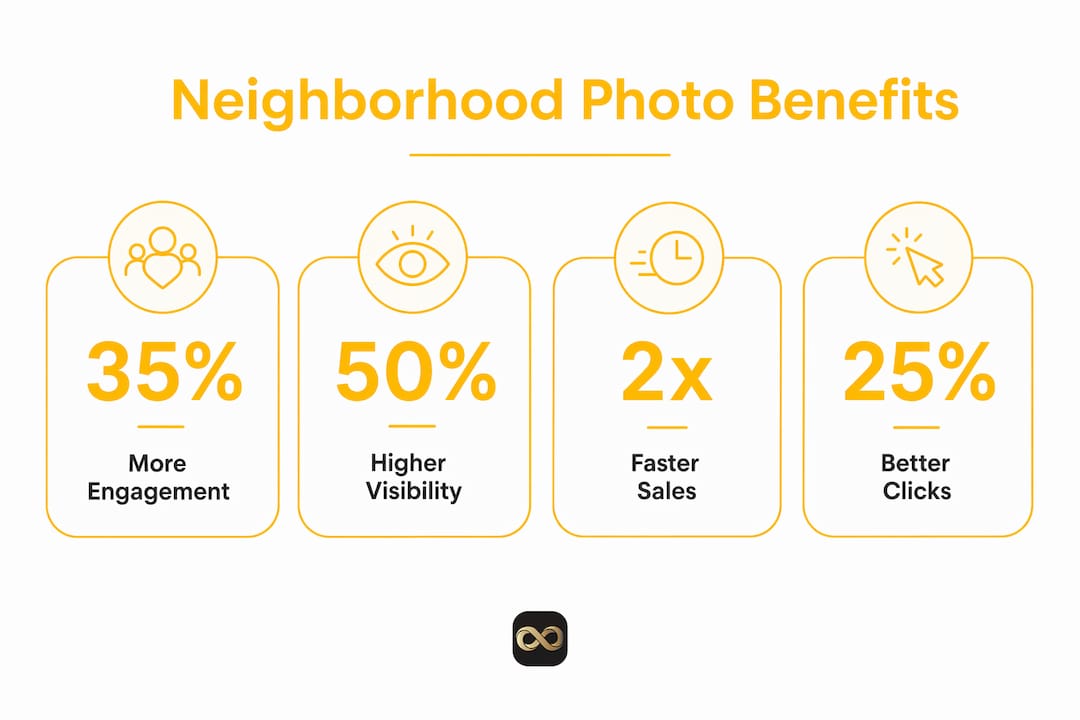
The numbers back this up. Business listings with photos receive 42% more direction requests and 35% more website clicks than those without. That gap widens when the photos are localized rather than generic.
Here is what neighborhood context photography delivers at a glance:
- Emotional connection: Buyers picture their daily routine, not just the floor plan.
- Algorithmic freshness: Updated local photos signal active management to search platforms.
- Reduced buyer anxiety: Streetscapes and community shots answer safety and quality concerns before buyers even ask.
- Lifestyle storytelling: Area visuals transform a commodity listing into a destination.
- Remote buyer confidence: Out-of-state buyers can make faster decisions when they can see the neighborhood, not just the rooms.
What are the real benefits of including neighborhood photos?
Neighborhood photos work on two levels at once: emotional and technical. On the emotional side, buyers are daydreaming when they scroll listings. They want to know where they will walk the dog, grab lunch, or send their kids to school. A photo of the local park or a well-kept streetscape answers those questions instantly, without requiring the buyer to open a separate map.
On the technical side, localized images outperform generic photos in map pack visibility, click-through rate, and time spent on a profile. Buyers who see authentic neighborhood shots spend more time engaging with a listing, and that behavioral signal feeds directly into how platforms rank it.
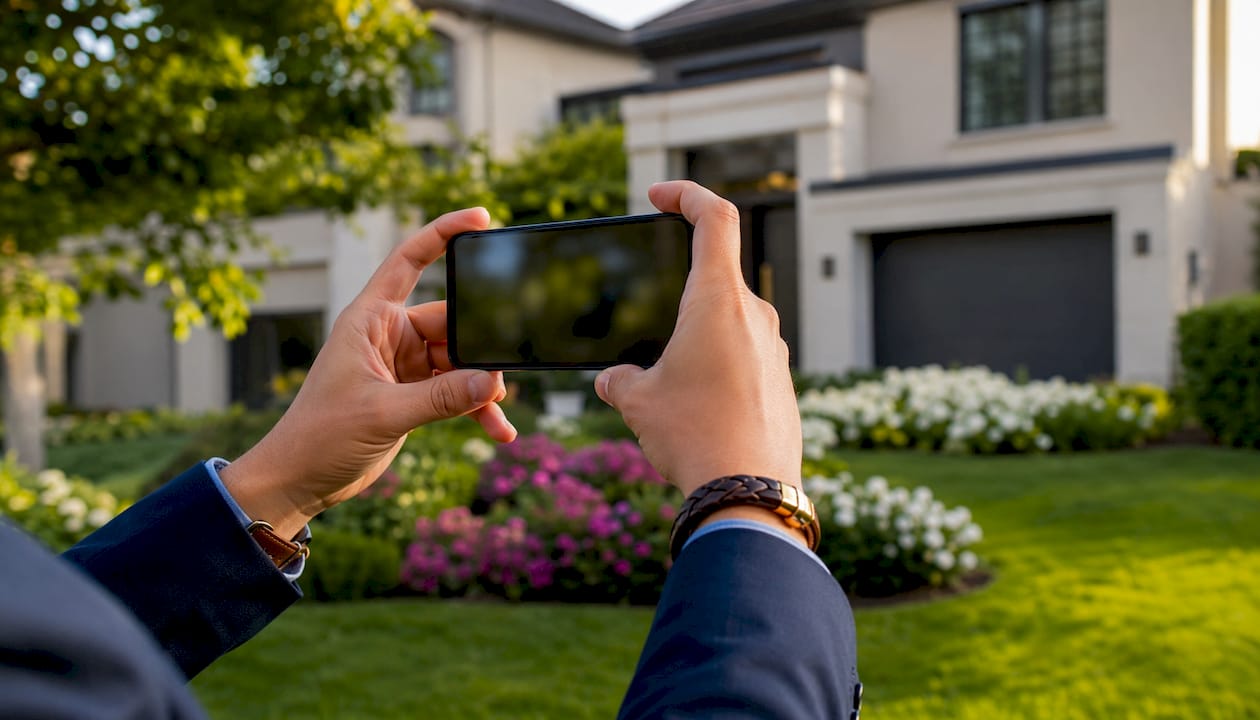
Neighborhood streetscapes and shots of neighboring homes also convey community pride. They proactively address buyer concerns about safety and upkeep before those concerns become objections. For remote buyers, especially those relocating across state lines, this visual proof can be the difference between scheduling a showing and moving on.
Airbnb hosts benefit here too. Seasonal neighborhood photos, updated each spring or fall, show guests what the area looks and feels like right now, not six months ago. That freshness drives more bookings during peak rental periods.
Pro Tip: Add one or two photos of the neighborhood during a busy weekend morning. A farmers market, a packed coffee shop patio, or kids at the playground creates social proof that no interior shot can replicate.
How do neighborhood photos signal freshness to search algorithms?
Search platforms and Google's local ranking systems treat photo activity as a proxy for listing health. Dormant listings are penalized; active ones with regular photo updates gain a measurable edge in local search rankings.
Google's AI goes further than just counting photos. It analyzes each image for GPS metadata, visual uniqueness, and geographic authenticity. A photo taken on your actual street, with accurate location data embedded, tells the algorithm that this listing is real, current, and rooted in the community it claims to serve. Stock images cannot do that.
Listings regularly updated with authentic, fresh neighborhood photos gain visibility boosts over dormant competitors. The compounding effect is real: more clicks lead to higher engagement metrics, which lead to better rankings, which lead to more clicks.
- Fresh neighborhood photos reset the "last updated" signal for listing algorithms.
- GPS-tagged images confirm geographic authenticity that text alone cannot provide.
- Real photos consistently outperform stock images on views, clicks, and ranking position.
- Engagement triggered by localized visuals creates a positive feedback loop in ranking systems.
Best practices for capturing effective neighborhood context photos
Getting the shot right matters as much as getting the shot at all. Here is how to build a neighborhood photo set that works for both buyers and algorithms:
- Lead with aerial views. An aerial drone shot showing proximity to schools, parks, or a shopping district answers "where exactly am I?" faster than any map. It creates an immediate sense of placement and convenience.
- Shoot the streetscape. Wide-angle shots of the block, including neighboring homes and mature trees, signal that people take pride in the area. Buyers read a well-kept street as a safe, desirable community.
- Capture local amenities directly. Photograph the coffee shop, the trail entrance, the community pool. Show it, do not just mention it in the description.
- Add graphic overlays for walkability. A street-level photo annotated with "5-minute walk to Metro" or "2 blocks to the park" acts as an instant infographic. Buyers get the information without toggling to Google Maps.
- Use seasonal visuals. Fall foliage, a snow-dusted park, or a summer street fair all add emotional depth that a standard interior shot cannot touch. Update photos when the season changes, especially for Airbnb listings where guests are booking based on what the area looks like right now.
- Photograph neighborhood life. Seasonal and dynamic photos showing people at local events or enjoying community spaces trigger FOMO and add social proof. A bustling farmers market or a pickleball court full of players tells buyers this neighborhood is alive.
- Geotag every photo. Accurate GPS metadata strengthens the geographic authenticity signal that algorithms use to verify and rank listings. Check that your camera app or editing tool preserves location data before uploading.
- Tailor shots to your buyer profile. Families want school zones and playgrounds. Young professionals want transit access and nightlife. Retirees want walkable parks and quiet streets. Shoot what your specific buyer actually cares about.
- Respect privacy. Photograph public spaces and streetscapes freely, but avoid capturing identifiable individuals without consent. Blur license plates and faces in post-processing when needed. For rental listings, check local ordinances on drone use before flying.
Pro Tip: Shoot neighborhood life scenes on a Saturday morning between 9 AM and 11 AM. That window captures peak community activity, natural light, and the kind of authentic energy that makes buyers want to be part of it.
You can find a full checklist for photo quality standards in Proofe's listing photo quality guide.
How Proofe simplifies capturing and updating neighborhood photos
Most agents and homeowners skip neighborhood photography because it feels like extra work. Proofe removes that friction entirely.
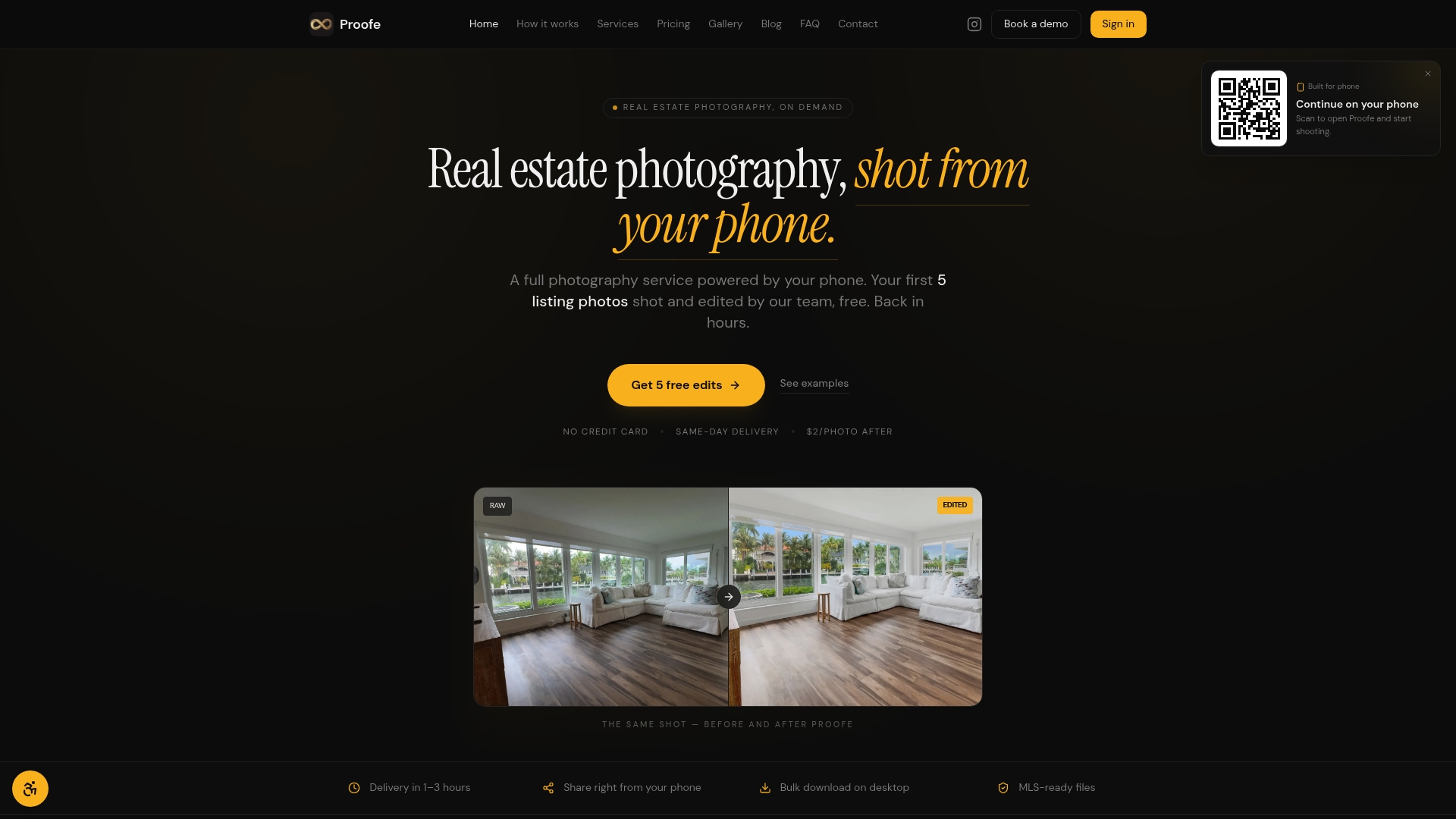
The process is three steps: shoot with your smartphone, let Proofe's AI enhance the image, then download MLS-ready files the same day. No expensive camera gear. No waiting a week for a photographer's schedule to open up. You can update your neighborhood photos every season, or every time something changes in the area, without adding cost or complexity.
- AI enhancement on every shot: Proofe's AI corrects lighting, sharpens detail, and optimizes each image for online platforms automatically.
- MLS-ready delivery: Files meet platform specifications out of the box, so there is no reformatting step. Check Proofe's guide on resizing photos for platform-specific requirements.
- First five photos free: Agents and homeowners can test the service with zero upfront commitment.
- Same-day turnaround: Fresh neighborhood photos go live quickly, keeping your listing's freshness signal active.
- Built for frequent updates: Because the cost and effort are low, you can refresh neighborhood shots seasonally rather than once at listing launch.
For Airbnb hosts, this matters especially during season changes. A set of updated fall or spring neighborhood photos, processed through Proofe's Airbnb photography service, can re-energize a listing and attract more bookings when competition spikes.
Pair neighborhood photos with interior shots and a virtual tour, and you give remote buyers a complete picture of both the home and the community around it. That combination shortens the decision cycle and reduces the back-and-forth that slows deals down.
How much time and money does listing photography actually cost?
Traditional real estate photography runs $150–$400 per session in most US markets, and that typically covers only interior and exterior shots. Adding neighborhood context means either a second session or a higher-tier package, pushing costs up further.
Proofe changes that math. Because you shoot with your own smartphone and the AI handles enhancement, the per-photo cost drops sharply. The first five photos are free, and subsequent photos are priced to make frequent updates practical rather than a budget decision. For agents managing multiple listings, or Airbnb hosts who want to refresh photos each season, that savings compounds quickly.
Time is the other variable. Booking a photographer, coordinating access, waiting for edits, and reformatting files for different platforms can take days. With Proofe, the same-day delivery model means neighborhood photos can go live within hours of being shot. For rental listing photo updates tied to seasonal demand, that speed is a direct competitive advantage.
What to do next to get more from your listing photos
Neighborhood context photography is one of the highest-return changes you can make to a listing, and it is also one of the most overlooked. Here is how to put it into practice:
- Start with three to five neighborhood shots: the streetscape, one local amenity, and one community life scene.
- Geotag every photo before uploading to your listing platform or Google Business Profile.
- Update neighborhood photos at least once per season to maintain freshness signals.
- Integrate neighborhood visuals with your interior shots and virtual tour for a complete buyer experience.
- Use social media carousel ads to showcase neighborhood photos alongside property images for broader reach.
- If you manage an Airbnb, refresh your neighborhood set each season to match what guests will actually experience on arrival.
Proofe makes all of this fast and affordable. Shoot on your phone, enhance with AI, and download MLS-ready files the same day. Your first five photos are free.
Key Takeaways
Neighborhood context photos boost listing engagement, improve search visibility, and help buyers make faster decisions by showing the lifestyle around the property, not just the property itself.
| Point | Details |
|---|---|
| Engagement lift from photos | Business listings with photos receive 42% more direction requests and 35% more website clicks than those without. |
| Algorithm freshness signal | Regular neighborhood photo updates keep listings active in local search rankings and counter penalties for dormant profiles. |
| Real photos beat stock | Authentic, geotagged neighborhood photos outperform stock images on views, clicks, and ranking position across every measured metric. |
| Seasonal updates drive rentals | Airbnb hosts who refresh neighborhood photos each season show guests current conditions, which drives more bookings during peak periods. |
| Proofe cuts cost and time | Shoot with a smartphone, enhance with AI, and receive MLS-ready files the same day, with the first five photos free. |