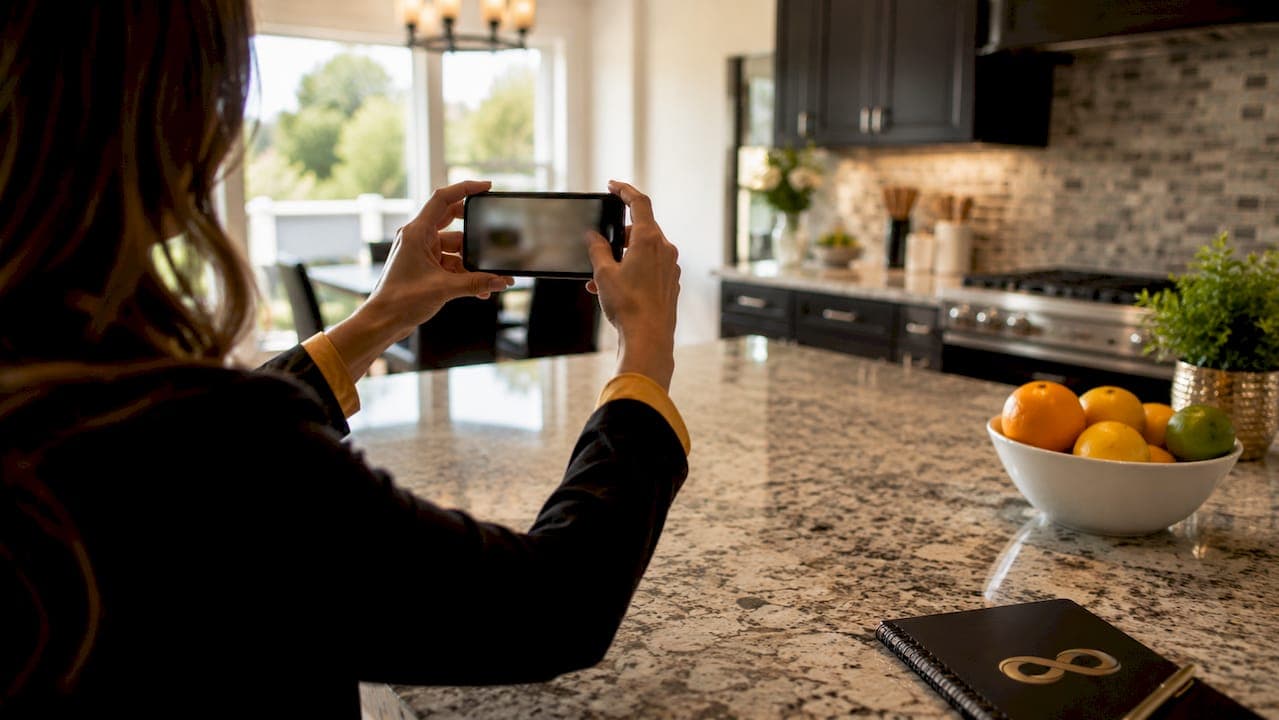
Before-and-after photos build trust by delivering instant visual proof that a transformation actually happened. Words can describe a renovation, but a side-by-side image makes the result undeniable. In real estate marketing, this type of visual evidence is called "transformation documentation," and it is one of the most persuasive tools available to agents, homeowners, and Airbnb hosts. Transformation posts achieve up to 89% higher engagement than text-only content. That gap exists because the human brain processes images faster than language and holds onto them longer.
Why before-and-after photos build trust so effectively
The psychological engine behind transformation images is cognitive contrast. When you show a viewer the "before" state first, they recognize a familiar problem. That recognition creates a small tension. The "after" image then resolves that tension, and the brain registers relief and reward. Leading with the "before" photo triggers stronger purchase intent within milliseconds because viewers see their own situation reflected back at them before they see the solution.
This process works on two levels at once. Emotionally, the viewer feels the satisfaction of a problem solved. Cognitively, they receive evidence that the service or improvement is real. Together, these responses build confidence faster than any written testimonial.

Visual memory also plays a major role. Humans recall 90% of images viewed for just 10 seconds, even days later. Text recall is far lower. A buyer who scrolls past your listing at 11 PM will still remember that kitchen renovation photo the next morning. That staying power is what makes transformation images so valuable in competitive markets.
Social proof adds another layer. When you show a past renovation or staging project, you signal competence to every new viewer. They are not just seeing a result. They are seeing evidence that you have done this before and done it well.
- Cognitive contrast helps viewers instantly measure the gap between problem and solution.
- Emotional reward from seeing a resolved problem activates trust and confidence.
- Visual memory retention keeps your listing top of mind long after the scroll.
- Social proof signals a track record of real results to new audiences.
Pro Tip: Always show the "before" image on the left and the "after" on the right. This matches natural reading direction and makes the improvement feel earned rather than sudden.
How to create authentic and credible transformation photos
Authenticity is the single factor that separates a trust-building image from one that raises red flags. Consistent lighting, tone, and framing signal professionalism and create a unified visual language that viewers read as honest. The moment something looks off, skepticism replaces confidence.
Here is a practical process for producing credible before-and-after photos:
- Mark your camera position. Use tape on the floor or a fixed reference point so both shots are taken from the exact same spot. Camera position consistency is the most overlooked element in transformation photography.
- Match your lighting conditions. Shoot both images at the same time of day, or use identical artificial lighting. Shadows that shift between shots suggest manipulation.
- Keep framing identical. Use the same focal length and zoom level. A wider angle in the "after" shot makes a room look bigger than it actually is.
- Skip heavy filters. Authentic photos without filters outperform staged stock imagery in trust building. One-third of consumers now use advanced image editing tools themselves, which means they recognize over-processing immediately.
- Add a timeline or context note. State how long the renovation took or what work was done. This sets realistic expectations and removes ambiguity.
- Show the process, not just the result. Multi-slide carousels or short time-lapse videos showing progress reduce skepticism and increase transparency.
Pro Tip: Include a brief caption on each photo: "Day 1 before staging" and "Day 3 after staging." Two short labels do more for credibility than a paragraph of description.
The table below shows how different photo approaches affect viewer trust:
| Approach | Effect on trust |
|---|---|
| Consistent angle and lighting | High trust; transformation credited to actual work |
| Mismatched lighting or angle | Low trust; viewers suspect photography tricks |
| No filters, natural color | Strong credibility with skeptical audiences |
| Heavy retouching without disclosure | Raises suspicion; damages long-term credibility |
| Timeline or context included | Realistic expectations; sustained viewer confidence |
| Extreme result only | Short-term attention; long-term credibility loss |
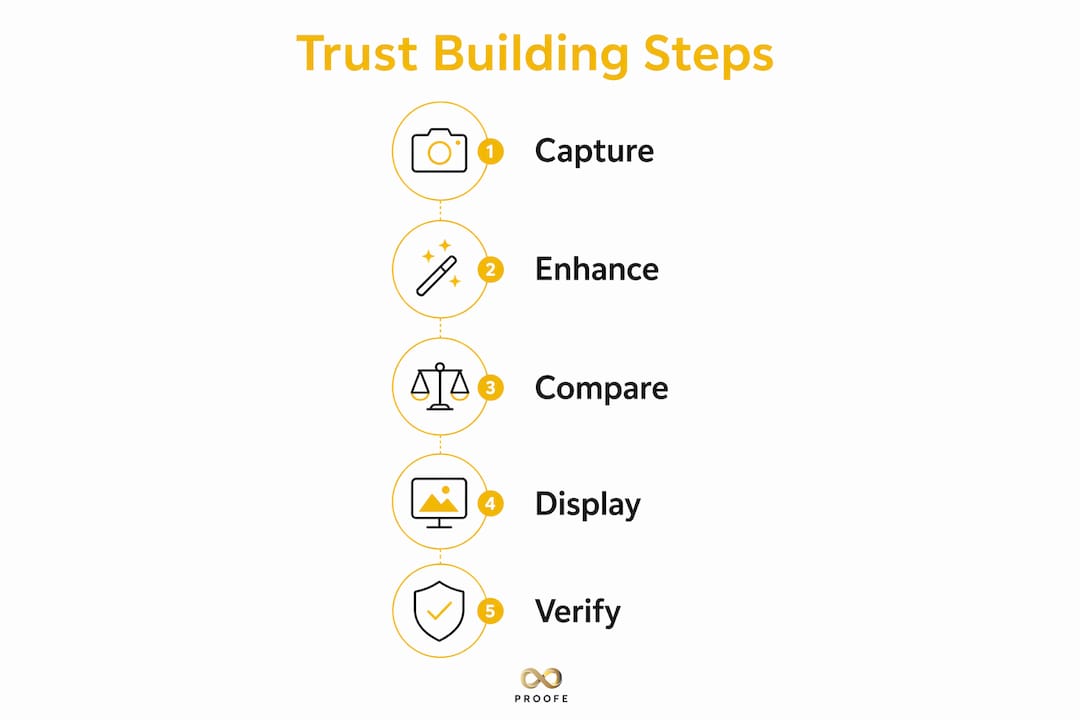
Common mistakes that damage credibility in transformation photos
The most common mistake is also the most avoidable: changing the camera angle or lighting between shots. Visual mismatch in before-and-after photos immediately causes distrust and perceptions of deception. Viewers may not consciously identify the inconsistency, but they feel it.
Here are the pitfalls that most frequently undermine transformation images in real estate:
- Angle or lighting changes that make the "after" look artificially better than the "before."
- Overly polished images that look too perfect to be real, especially when the "before" looks unusually bad.
- Leading with the "after" photo for cold audiences who have not yet recognized their own problem.
- Showing only extreme results that represent the top 5% of outcomes rather than the typical experience.
- Missing context about timeframes, effort, or what work was actually done.
- Excessive AI editing without disclosure, which raises suspicion and reduces ongoing engagement.
"Before-and-after photos must be treated as evidence rather than decoration. Inconsistency or mismatch between image and claim signals deception instantly. The more verifiable the images look, the stronger the trust and ongoing engagement."
Showing typical results experienced by the majority of clients is more credible than showcasing only dramatic transformations. Highlighting extreme results creates unrealistic expectations and damages credibility over time. Your goal is not to impress with the best-case scenario. Your goal is to build confidence with the honest one.
How real estate professionals and homeowners can use transformation photos to win more business
The impact of before-and-after photos extends well beyond a single listing. Used consistently, they become a portfolio of proof that works across every marketing channel you use.
- Online listings: Show renovations, fresh staging, or landscaping improvements directly in the listing gallery. Buyers who see clear visual proof of improvement increase inquiries and engagement with the property.
- Social media: Post transformation carousels on Instagram or Facebook to demonstrate your track record. Each post functions as a public testimonial without requiring a client to write a review.
- Client presentations: Use before-and-after images in listing proposals to show homeowners what professional photography and staging can do for their sale price.
- Airbnb and short-term rentals: Seasonal photo refreshes are one of the highest-return activities for hosts. Updated photos showing a freshly prepared space for summer or winter improve occupancy and perceived value. A guest booking in october wants to see a cozy, well-lit interior, not the same sun-bleached photo from july.
- Pricing justification: Transformation images give you a visual argument for a higher asking price or nightly rate. Showing what the property looked like before a renovation makes the current price feel earned.
Pro Tip: If you manage an Airbnb, retake your listing photos at the start of each season. A spring refresh with natural light and fresh decor can lift your click-through rate noticeably before peak booking season begins.
The photo quality checklist for real estate from Proofe covers exactly what to capture before and after any improvement so nothing gets missed. Consistent documentation from the start makes it easy to build a library of transformation content over time.
Key Takeaways
Before-and-after photos build trust because they function as verifiable evidence, and evidence is more persuasive than any claim made in words alone.
| Point | Details |
|---|---|
| Lead with the "before" image | Cold audiences recognize their own problem first, which makes the solution more compelling. |
| Consistency is non-negotiable | Matching angle, lighting, and framing ensures the transformation is credited to real work. |
| Context converts skeptics | Adding timelines and process notes removes ambiguity and builds realistic expectations. |
| Avoid extreme-result bias | Show typical outcomes to maintain credibility with the widest possible audience. |
| Seasonal updates drive bookings | Airbnb hosts who refresh photos each season see measurable gains in occupancy and perceived value. |
The honest truth about transformation photos nobody talks about
I have reviewed hundreds of real estate listings over the years, and the pattern is always the same. The agents with the strongest reputations are not the ones with the most dramatic before-and-after photos. They are the ones with the most consistent ones.
The temptation to show only your best work is understandable. But audiences in 2026 are more visually literate than ever. They have seen enough over-edited content to recognize when something looks too good. The moment a viewer suspects manipulation, you have lost them. Not just for that listing. For good.
What actually builds lasting trust is transparency about the ordinary. Show the cluttered living room before staging. Show the dated kitchen before the refresh. Show the overgrown yard before the landscaping. Then show what changed. That honesty is what makes the "after" feel real rather than manufactured.
The other thing I would push back on is the idea that transformation photos are only for major renovations. A fresh coat of paint, better lighting, or a cleaned-up exterior can make a powerful before-and-after pair. You do not need a gut renovation to tell a compelling visual story. You need consistency, context, and the confidence to show the imperfect starting point.
Before-and-after photos are proof that converts skepticism into confidence. Use them that way.
— Richard Lopez
Proofe makes it easy to capture photos that actually build trust
Real estate professionals and Airbnb hosts know that great transformation photos start with great originals. Proofe gives you a straightforward way to shoot, enhance, and deliver listing-quality photos directly from your phone, with no expensive equipment required.
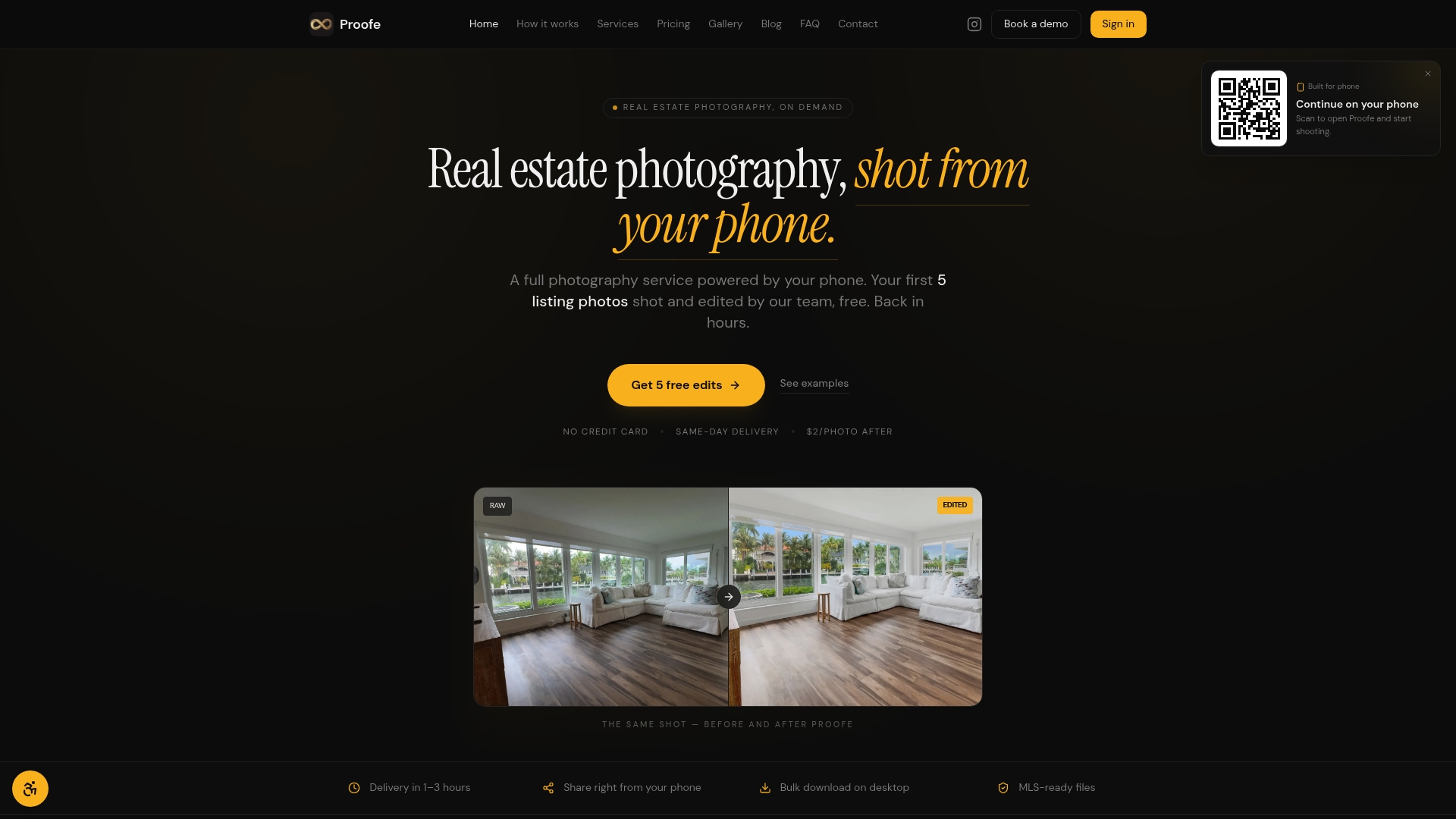
Proofe's AI photo enhancer improves clarity and brightness without the heavy retouching that kills credibility. The three-step process, shoot, enhance, and download, delivers MLS-ready files the same day. Your first five photos are free, so you can test the quality before committing. Whether you are documenting a renovation, refreshing your Airbnb photos for a new season, or preparing a listing for market, Proofe's real estate photo app gives you the consistency and speed that trust-building transformation content requires.
FAQ
Why do before-and-after photos build more trust than written descriptions?
Images are processed faster than text and are recalled at a much higher rate. Visual proof of a transformation removes doubt in a way that words alone cannot replicate.
What is the biggest mistake in real estate transformation photos?
Changing the camera angle or lighting between shots is the most common error. It makes the improvement look like a photography trick rather than real work, which destroys credibility immediately.
Should I show the "before" or "after" image first?
Always show the "before" image first for new or cold audiences. It helps viewers recognize their own situation before presenting the solution, which triggers stronger trust and interest.
How often should Airbnb hosts update their listing photos?
Hosts should refresh their photos at the start of each season. Updated images that reflect the current look and feel of the space improve occupancy rates and perceived value with prospective guests.
Does AI photo editing hurt the credibility of transformation images?
Excessive AI editing without disclosure raises suspicion. Light enhancements that improve brightness and clarity without altering the property's actual appearance are acceptable and maintain viewer confidence.